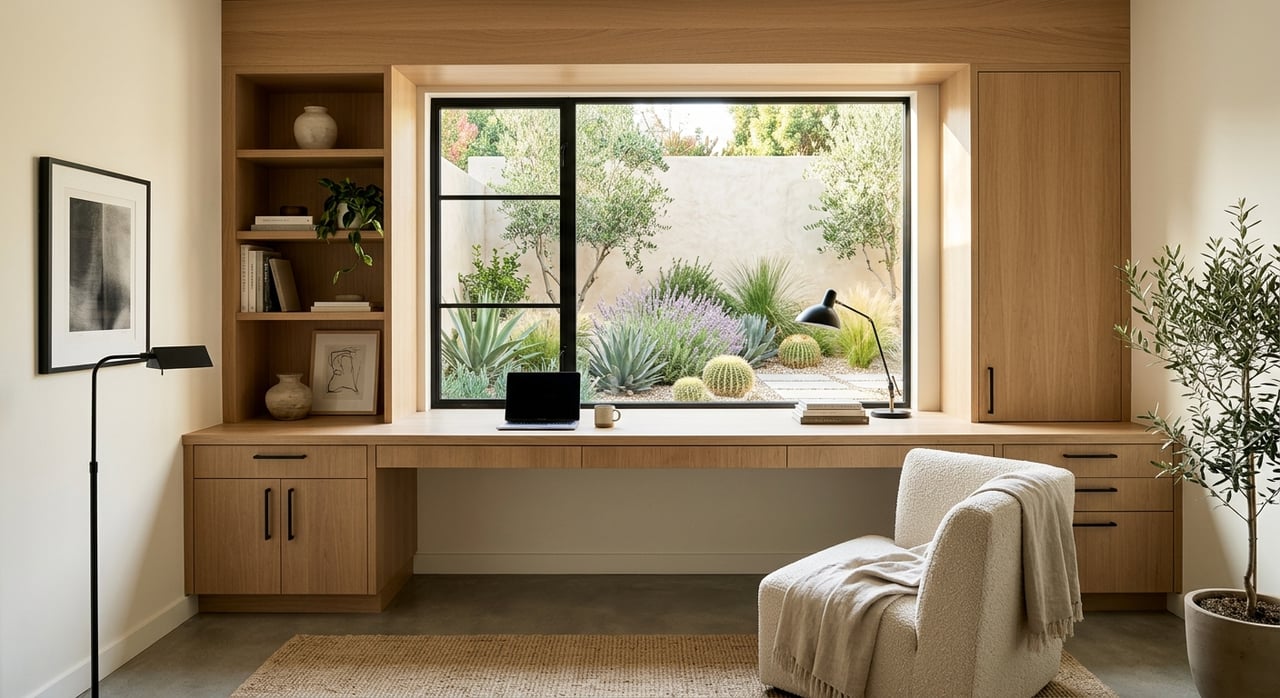
Executive Relocation To Salt Lake’s East Bench: A Housing Primer
May 28, 2026
May 28, 2026
Moving to Salt Lake for a leadership role can feel simple on paper and surprisingly nuanced once housing enters the picture. If East Bench is on your shortlist, you are likely looking for a neighborhood that balances access, privacy, and long-term value without dropping you into the middle of downtown. This guide will help you understand how East Bench really works, what types of homes you will find, and what to verify before you book a house-hunting trip. Let’s dive in.
East Bench sits along the eastern edge of Salt Lake City at the base of the Wasatch foothills. According to the East Bench Community Council and Salt Lake City District 6, the area includes St. Mary’s, Oak Hills, and Arcadia Heights east of Foothill Drive, running roughly from Sunnyside Avenue to Parley’s and I-80. That geography gives you a close-in residential setting with a very different feel from the downtown core.
For many relocating executives, the appeal starts with convenience. The University of Utah, Research Park, and the VA medical center are all part of the nearby employment corridor, which means East Bench can offer a practical commute to major institutions while still feeling primarily residential. You also have access to major cultural destinations like Red Butte Garden, the Natural History Museum, Hogle Zoo, and This Is the Place Heritage Park.
Just as important, East Bench is not a one-note neighborhood. It offers a mix of architectural styles, lot types, and street settings that can appeal to very different lifestyles. That variety is part of the opportunity, but it also means you need to shop with more precision.
One of the biggest mistakes remote buyers make is assuming East Bench is uniform. It is not. The lower and western portions tend to feature older, distinctive homes, while the foothill slopes to the east include newer homes with more contemporary design.
That split matters because the day-to-day experience can feel very different from one pocket to the next. A flatter, tree-lined block may offer a more classic Salt Lake streetscape and easier walkability between homes, while a hillside property may deliver a stronger sense of openness, elevation, and foothill adjacency. Neither is automatically better. The right choice depends on how you want to live.
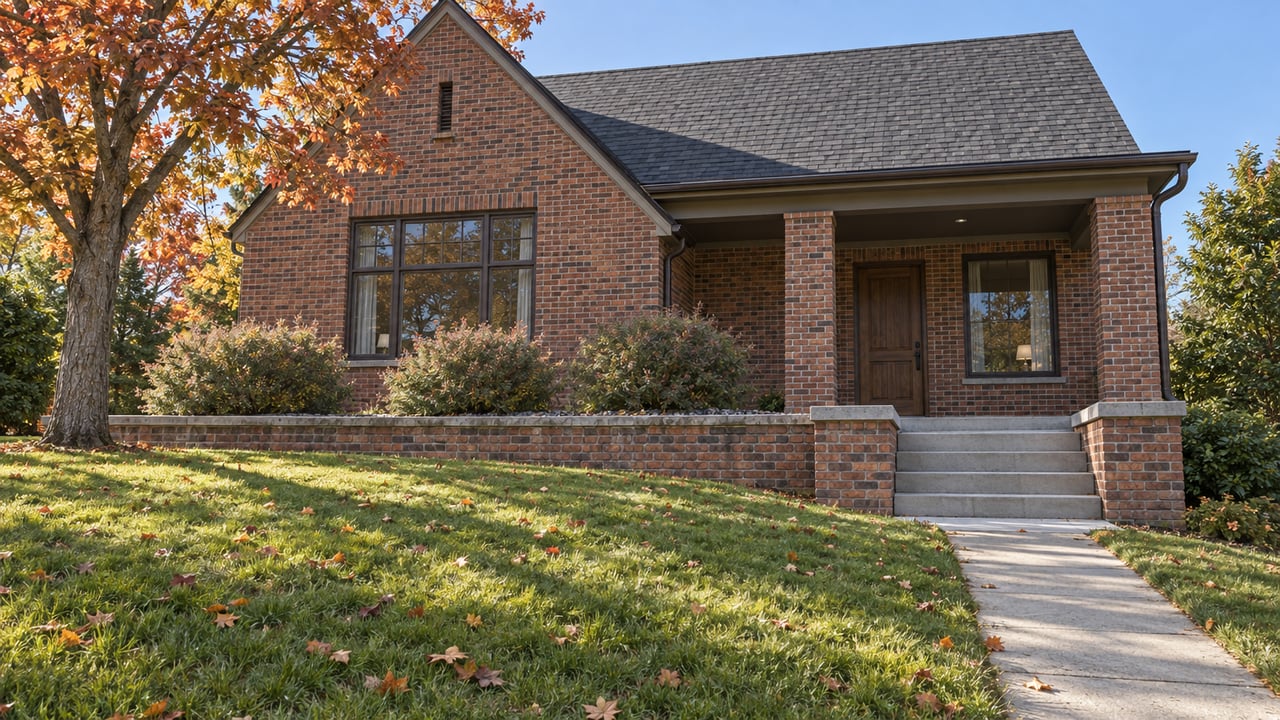
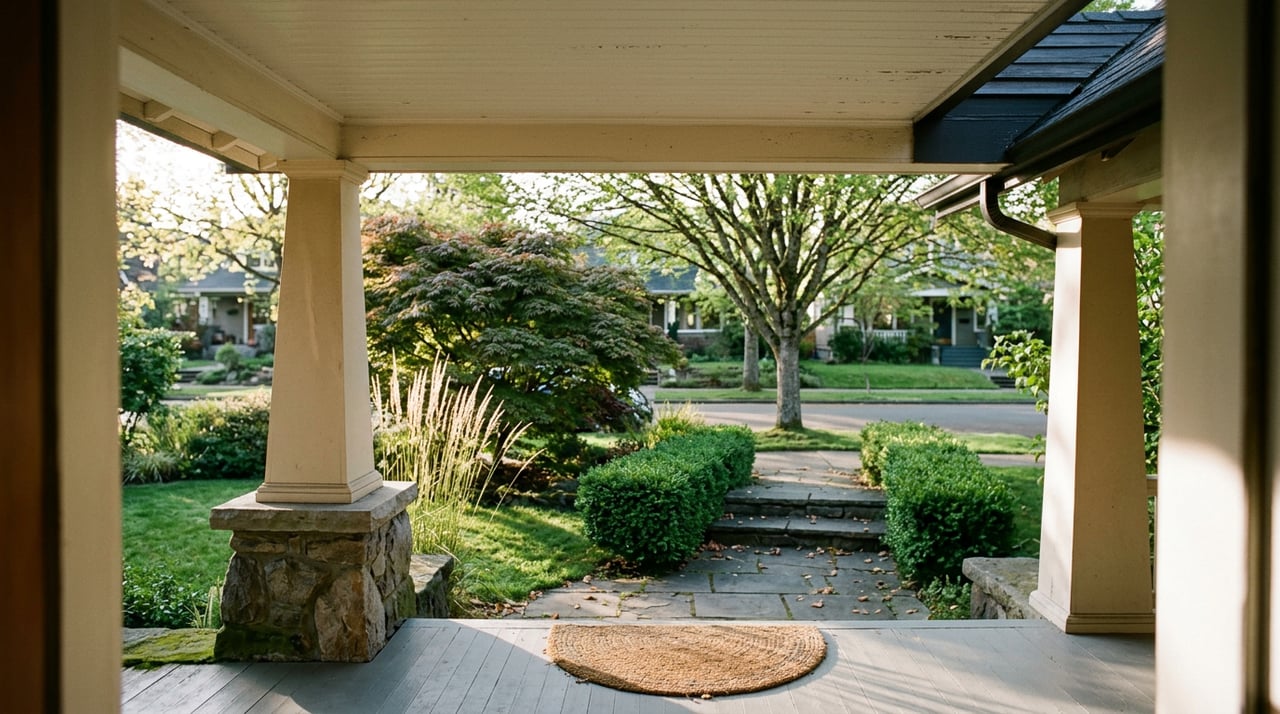
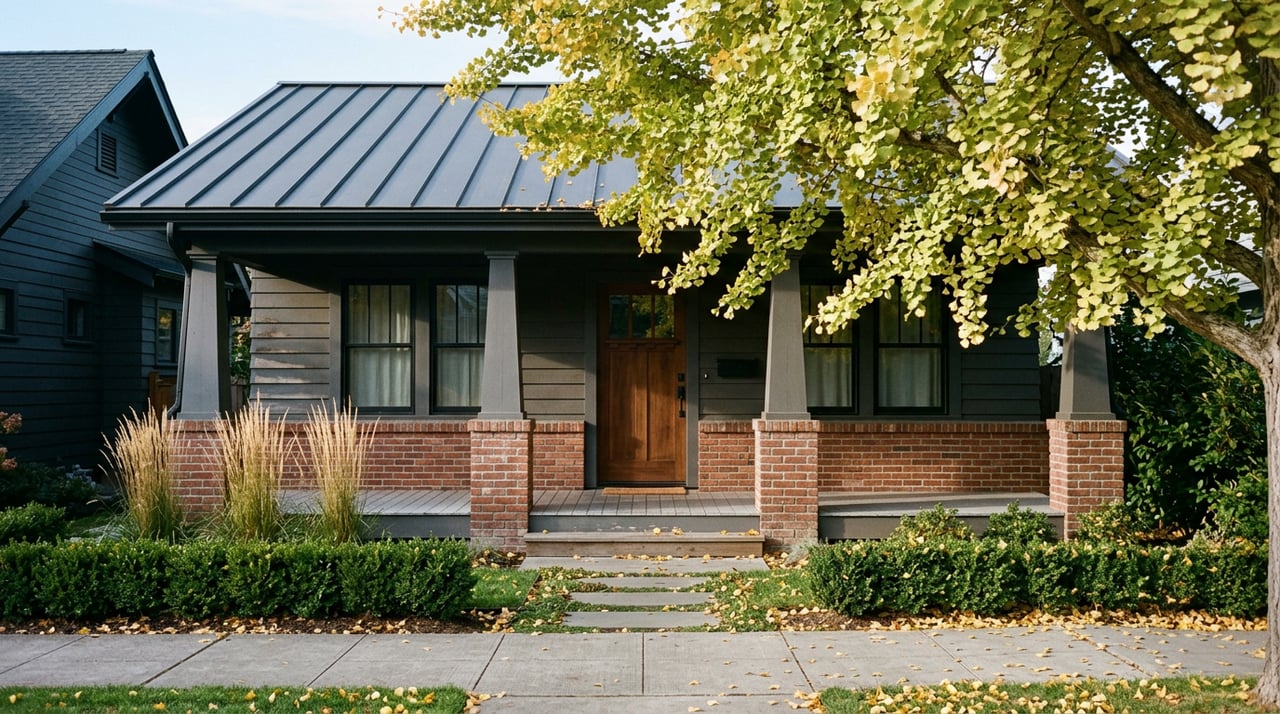
Salt Lake City describes the lower and western side of East Bench as an area of older, distinctive homes. In nearby historic areas such as Yalecrest and Harvard-Yale, homes built between 1910 and 1938 are known for period-revival cottages, English Tudor and English Cottage styles, and bungalows with mature trees and more uniform setbacks.
If you are drawn to established streets, architectural charm, and homes with a strong sense of identity, this part of the market may stand out. These properties often appeal to buyers who value design details and neighborhood character. They can also require more careful evaluation if you hope to remodel.
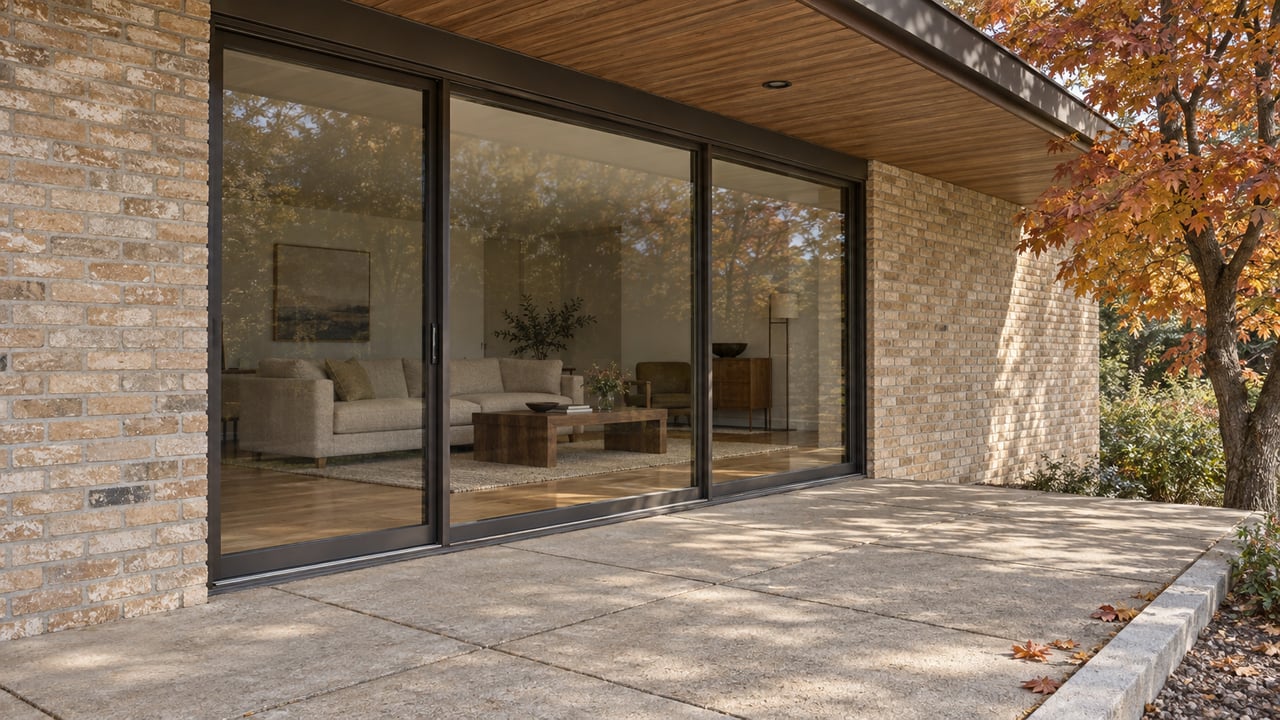
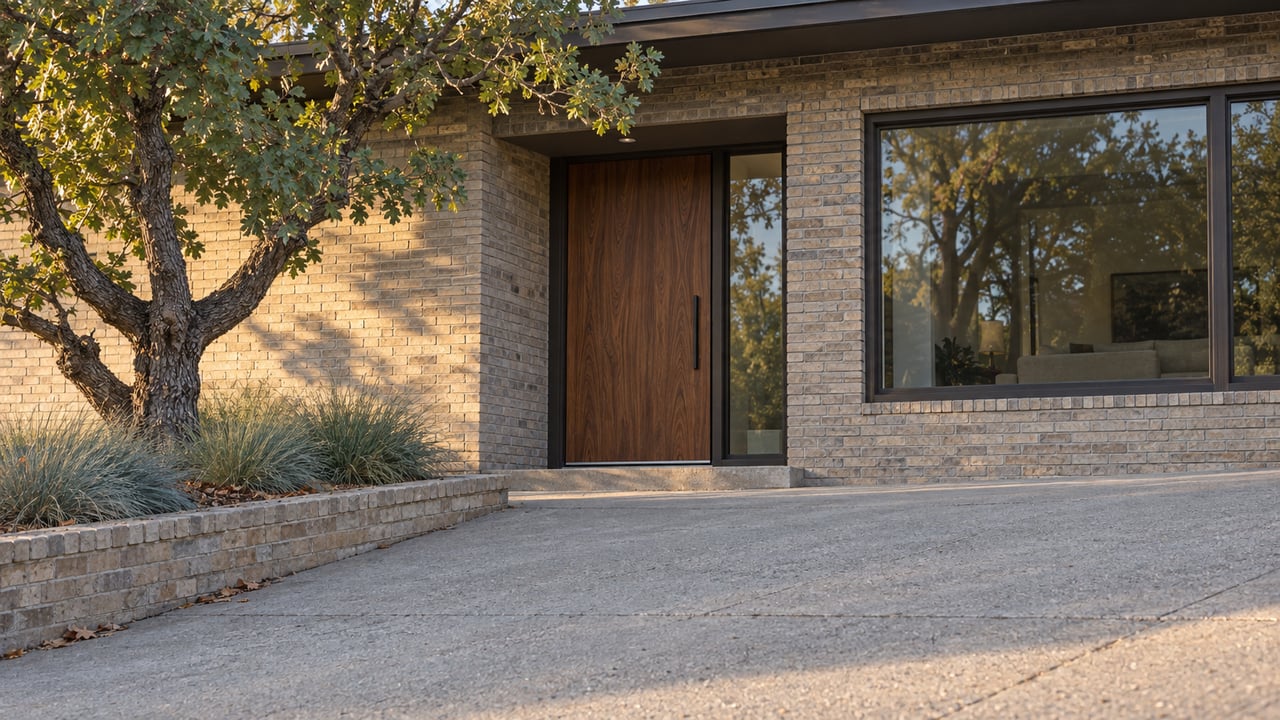
On the eastern side, closer to the foothills, you will find newer homes with more contemporary design. These properties can feel quite different from the lower streets, both visually and functionally. Depending on the lot, you may see a stronger connection to open space, more modern layouts, and a setting that feels tucked into the hillside.
For relocation buyers, this can be appealing if you want a more updated home from day one. It can also come with tradeoffs, including slope, driving patterns, parking considerations, and a very different street feel from the flatter portions of East Bench.
East Bench generally sits above Salt Lake City’s broader price picture. Zillow’s latest home value indexes place East Bench at about $1.09 million and Yalecrest at about $1.06 million, while Bonneville Hills is about $933,000 and Salt Lake City overall is about $559,000.
These are index values, not direct listing comparisons, so they should be used as broad market signals rather than pricing for a specific property. Still, they reinforce an important point for relocation buyers: East Bench submarkets tend to command a premium. If you are comparing East Bench to the city as a whole, the price gap is significant.
Supply also helps explain the pressure in this market. Salt Lake City’s 2025-2029 Consolidated Plan notes that since 2019, about 17,000 residential units have been permitted citywide, and roughly 79.5% of those have been multifamily. The city also states that scarce vacant land, especially on the east side, limits residential development opportunities, which can reduce the number of new detached-home options and increase competition for updated homes in prime locations.
For some buyers, a home’s historic character is part of the appeal. For others, it becomes a practical issue once renovation plans enter the picture. In parts of East Bench and nearby Yalecrest, some properties fall within local historic district areas.
Salt Lake City states that local historic districts require exterior changes and proposed demolitions to go through design review. If you are buying from out of state, that is not a minor detail. It should be treated as a material part of your decision, especially if you expect to rework the exterior, expand, or make visible design changes after closing.
A beautiful home can still be the wrong fit if your post-move plans do not align with the property’s review requirements. This is one of the clearest areas where upfront screening can save you time, money, and frustration.
East Bench offers something that many close-in neighborhoods cannot: immediate proximity to meaningful open space. Salt Lake City says its portion of the Bonneville Shoreline Trail runs 13.5 miles from North Salt Lake to Parley’s Canyon. The East Bench and H-Rock Preserve includes 42 acres of open space, a half-mile section of the trail, and the only natural-surface residential segment of the trail in Salt Lake City.
The city also notes that the Foothills Natural Area totals about 8,000 acres along the city’s northern and eastern edge. In practical terms, that means outdoor access is part of daily life here, not just a weekend bonus. If you value quick trail access, open views, and a stronger connection to the foothills, East Bench has a distinct identity within Salt Lake City.
If you are relocating on a tight timeline, efficiency matters as much as selection. East Bench is a market where parcel-level details can shape the entire ownership experience, so a broad neighborhood search is rarely enough.
A smart first step is to narrow your search by subarea and property type. Instead of asking whether East Bench is right for you, ask whether you want a flatter historic street, a more established character-home setting, or a hillside lot with open-space adjacency. That framing makes it much easier to sort listings quickly.
Salt Lake City’s GIS portal is a practical tool because it includes both the resident-representation map and zoning lookup map. District 6 planning resources also show that East Bench and the foothills have separate planning documents, including the East Bench Master Plan and the Foothills Trail System Master Plan.
Before you commit to an in-person visit, verify these basics for each finalist property:
That kind of screening helps you avoid spending time on homes that look right online but do not fit your daily needs once you arrive.
For many executive buyers, one concentrated trip is more effective than several casual visits. Once you have a shortlist, your in-person time can focus on the details that are hard to judge remotely, such as commute patterns, slope, parking, street feel, and how each home sits on its lot.
If school attendance boundaries matter to your move, verify them directly with the district before making assumptions. The research notes that attendance boundaries can change, so it is best to confirm them only after you have narrowed the search to a small group of addresses.
When clients relocate into East Bench, the best decisions usually come from ranking tradeoffs instead of chasing a perfect house. This area offers strong options, but not every subarea solves the same problem.
Use this quick framework as you compare homes:
| Priority | Best question to ask |
|---|---|
| Commute convenience | How quickly do you need to reach the University, Research Park, or nearby medical campuses? |
| Home style | Do you want historic character or a newer contemporary design? |
| Outdoor access | Is trail proximity a daily priority or a nice-to-have? |
| Renovation plans | Would historic review affect what you want to change? |
| Daily drivability | Are you comfortable with slope, hillside streets, and parking conditions? |
This kind of structure can bring clarity fast. It also keeps you focused on fit, rather than getting distracted by finishes alone.
East Bench can be an excellent fit for executive relocation, but it rewards buyers who look beyond the neighborhood name. The real choice is often between distinct micro-settings: lower streets with older character homes, foothill locations with newer design, and pockets where historic status or lot conditions shape what ownership looks like.
If you approach the search strategically, East Bench can offer a rare combination of residential calm, institutional access, and foothill lifestyle. The key is knowing what to verify early and how to compare properties through the lens of your actual routine. If you want expert guidance on sorting East Bench’s subareas, evaluating homes remotely, and building a focused relocation plan, Jazmin Adamson can help you move with clarity and confidence.
Stay up to date on the latest real estate trends.


Whether buying or selling in Salt Lake City, Jazmin provides expert guidance, tailored strategies, and hands-on support to help you achieve your goals.