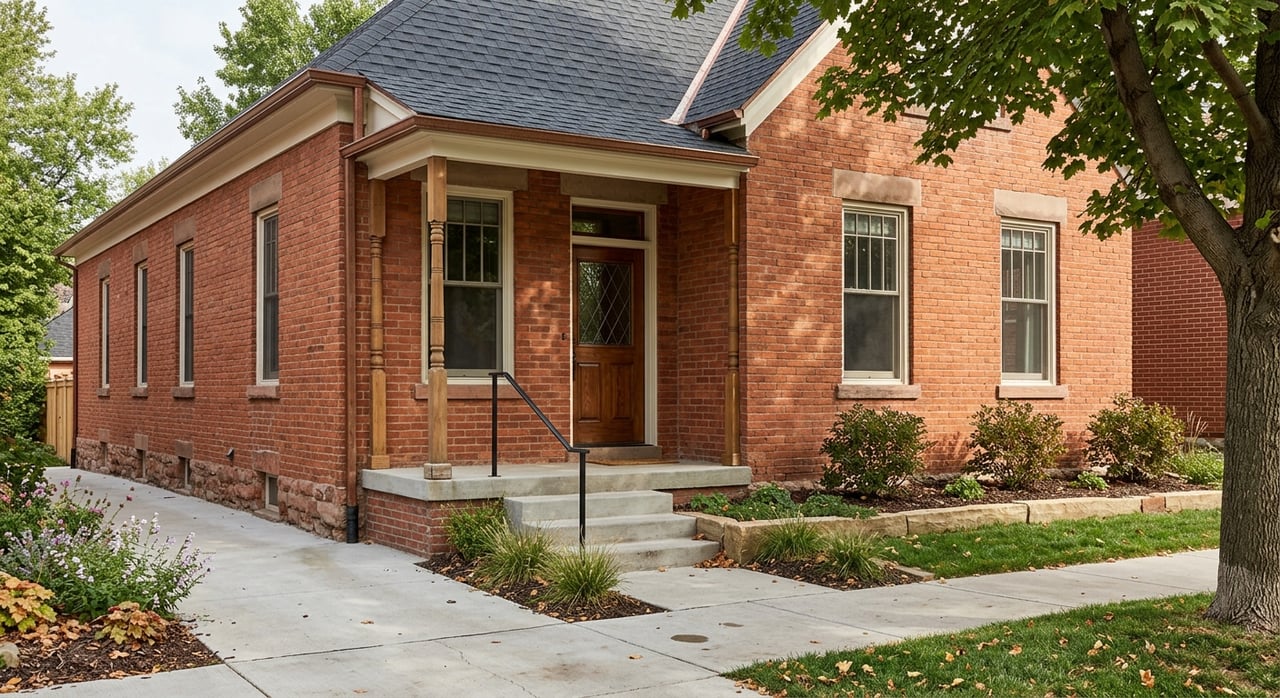
What to Know About Avenues Salt Lake Historic Homes
May 21, 2026
May 21, 2026
Thinking about buying a historic home in the Avenues? It can be an exciting move, but it also comes with a different set of rules, responsibilities, and opportunities than buying in a newer Salt Lake neighborhood. If you are drawn to original architecture, established streetscapes, and the long-term appeal of this iconic area, it helps to know what to look for before you write an offer. Let’s dive in.
The Avenues is not just an older neighborhood. It is Salt Lake City’s largest locally designated historic district, and that status matters in a very practical way when you buy a home here.
Salt Lake City’s preservation materials explain that the local historic district designation is what triggers design review for exterior changes. That means a home in the Avenues may be subject to review for work like additions, garage changes, window replacement, or demolition plans, even though interior updates are generally treated differently.
For buyers, this changes the decision-making process. You are not only evaluating the house as it stands today, but also how easily you can make the changes you may want down the road.
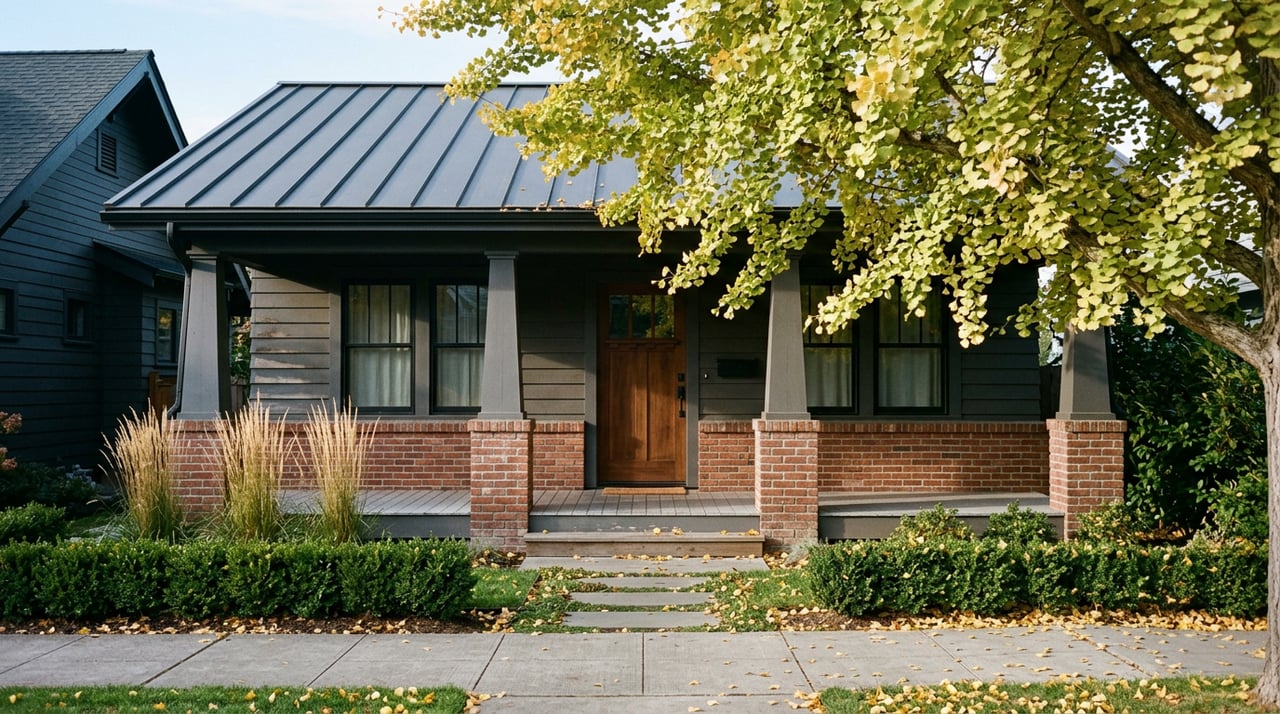
Most homes in the district date from about 1880 to 1930, according to the city’s Avenues handbook. You will see a mix of architectural styles, including Queen Anne, Shingle, Dutch Colonial Revival, Classical or Colonial Revival, Italianate, Eastlake, bungalows, and box-style homes.
That variety is part of what gives the Avenues its visual depth. The neighborhood also includes more than 100 architect-designed homes, and the district reflects a broad range of residential architecture from the late 1860s onward.
The Avenues was historically platted with long, narrow lots and very narrow side yards. As a result, many homes feel narrower and deeper than homes in newer subdivisions.
This site pattern affects more than curb appeal. It can shape how the home functions, where storage goes, how parking works, and what kind of addition might be realistic later.
In many parts of the Avenues, garages are typically detached and set behind the house. The streetscape is not built around front-facing, garage-dominant layouts.
That can be charming, but it is also something to assess carefully. If covered parking, alley access, or additional storage matters to you, make sure you understand exactly how the property is set up before moving forward.
With any older home, inspections matter. In the Avenues, they matter even more because character-defining features and historic site conditions can affect both repair costs and future planning.
Salt Lake City’s roof guidance points to common leak areas such as chimney masonry, flashing at valleys and chimneys, missing or loose shingles, and water backup caused by plugged valleys or gutters. Roof condition deserves close attention, especially if the home has original roof forms, dormers, or older chimney structures.
These features are part of the home’s historic character, so repairs may call for a more thoughtful approach than a simple replacement mindset. It is wise to understand both the current condition and the likely maintenance path.
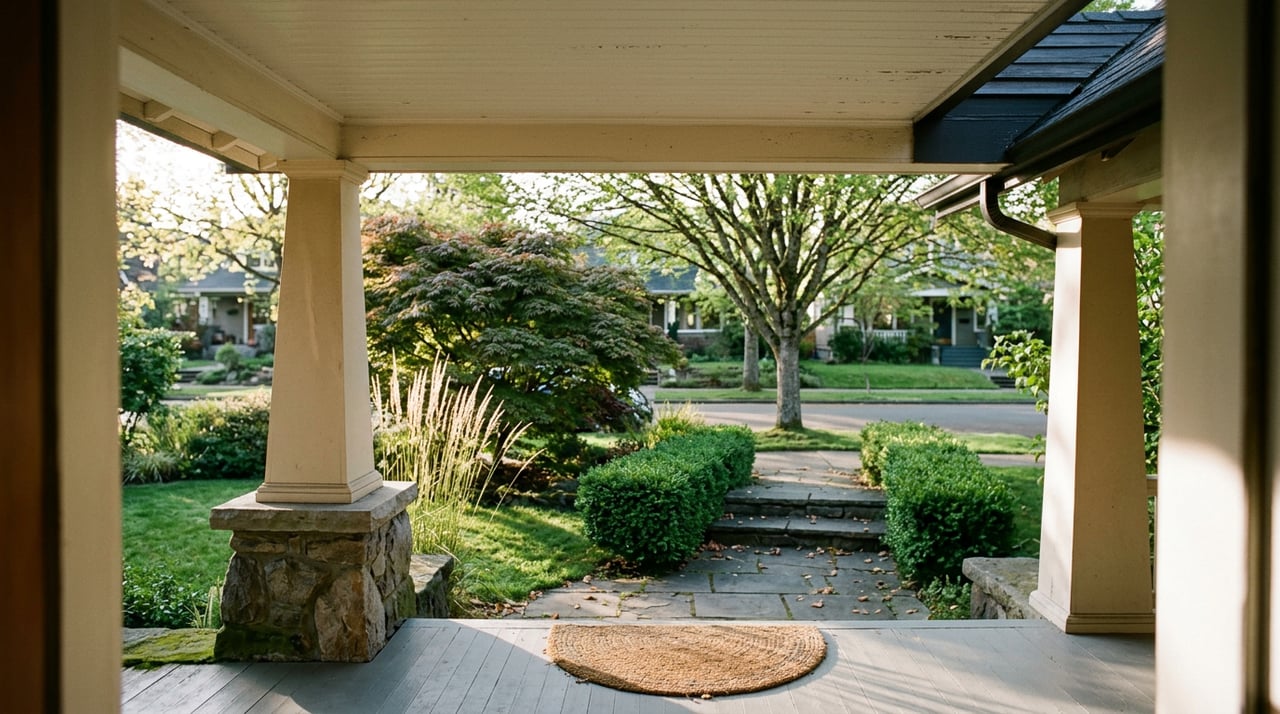
Porches are often major visual features on Avenues homes, and the city identifies them as character-defining elements. They are also exposed to sun, rain, and drainage issues over time.
Poor water drainage can damage porch foundations and masonry. During inspections, it is smart to look beyond surface appearance and ask about water movement, settling, and signs of long-term wear.
Original windows are a big deal in historic homes. Salt Lake City treats windows as key character-defining features and recommends repair over replacement whenever possible.
That does not mean every old window is problem-free. It does mean you should ask whether existing windows are repairable before assuming they need to be fully replaced, especially if preserving the home’s original character matters to you.
If the home was built before 1978, lead-based paint should be part of your inspection and renovation planning. Older materials do not automatically mean a home is unsafe, but they do mean you should go in with clear information.
The city’s preservation guidance also notes that lead paint alone is not a reason to remove historic windows, doors, or trim. In other words, hazard management and historic preservation often need to be considered together.
In the Avenues, the lot itself can be just as important as the house. The city’s handbook highlights steep slopes, retaining walls, steps, park strips, mature trees, and narrow streets as defining features of the district.
That makes it especially important to inspect drainage, retaining wall condition, walkway stability, and any signs of site movement or water intrusion. A beautiful lot can still come with maintenance obligations that are easy to miss in a first showing.
Older homes may also need a closer look at seismic resilience. Salt Lake City’s seismic retrofitting guidance notes that older structures can be vulnerable to earthquakes and recommends consulting an engineer experienced with older buildings when improvements are being considered.
If you are buying an older home with plans for meaningful renovation, it is worth discussing seismic readiness early. A carefully planned retrofit can improve safety while limiting impact on historic features.
One of the biggest mistakes a buyer can make in the Avenues is assuming that exterior changes will follow the same path as they would in a non-historic area. In this district, exterior work is where planning matters most.
Salt Lake City states that all exterior work, except paint color and minor maintenance, requires approval before work begins and before a building permit is issued. That approval is called a Certificate of Appropriateness.
The good news for many buyers is that interior remodeling does not require a Certificate of Appropriateness. If your vision includes updating kitchens, baths, layout, or mechanical systems, there is often more flexibility inside the home, subject to standard permit requirements where applicable.
That creates an appealing path for buyers who want historic character outside and modern function inside. It also helps to separate what is a design goal from what is a regulated exterior change.
If you are considering an addition, garage project, or substantial exterior rework, review the preservation rules before you buy. The city’s Avenues chapter says new work should preserve historic scale and character, maintain traditional setbacks, and remain subordinate to the original structure.
It also notes that garages and other secondary structures should generally be detached and located behind the house. So if your long-term plan includes major expansion, make sure the property’s lot, configuration, and historic context can realistically support that vision.
For contributing historic properties, demolition is treated seriously under the city’s historic-preservation overlay rules. Approval requirements and replacement-building review can become part of the process, and unapproved work can trigger enforcement and restoration requirements.
For buyers, the takeaway is simple. If your plan depends on removing major historic elements or redeveloping the site, you should investigate those rules before writing an offer, not after closing.
Buying in the Avenues often works best when you approach the home as both a residence and a long-term stewardship decision. You are buying charm and character, but you are also buying maintenance patterns, site constraints, and preservation rules.
A practical approach often includes:
That kind of planning can help you avoid surprises and buy with more confidence. It also puts you in a better position to protect both the home’s character and your investment over time.
Historic homes in the Avenues can be incredibly rewarding to own, especially if you appreciate original design, established streetscapes, and homes with a story. The key is going in with a clear understanding of what makes this neighborhood different and how those differences affect inspections, renovations, and long-term ownership. If you want expert guidance as you explore the Avenues or compare historic properties across Salt Lake City, Jazmin Adamson can help you think strategically from search to close.
Stay up to date on the latest real estate trends.


Whether buying or selling in Salt Lake City, Jazmin provides expert guidance, tailored strategies, and hands-on support to help you achieve your goals.