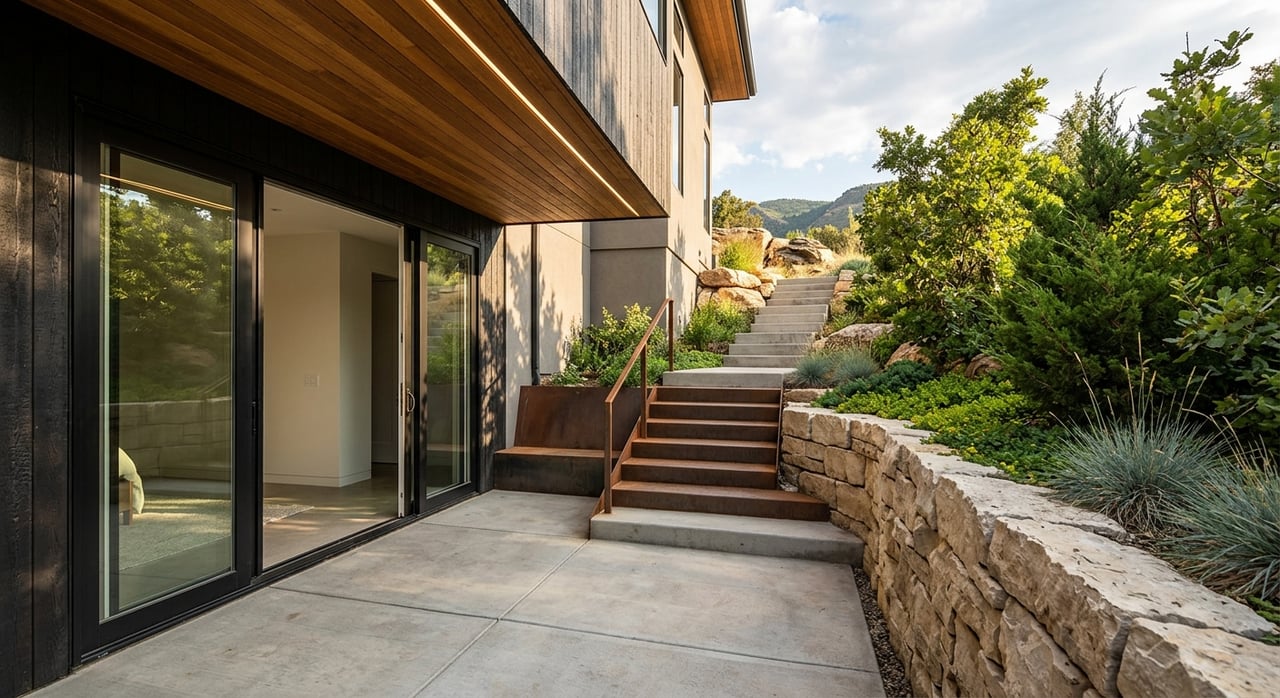
Olympus Cove Relocation Guide for Foothill Living
May 7, 2026
May 7, 2026
If you’re thinking about relocating to Olympus Cove, you’re probably looking for more than just a house. You’re looking for a daily rhythm that feels connected to the foothills, the views, and the kind of home that offers both character and privacy. This guide will help you understand what it’s really like to live in Olympus Cove, what kinds of homes you’ll find, and what to consider before you make a move. Let’s dive in.
Olympus Cove is part of the Mount Olympus community on the east bench of the Salt Lake Valley. It sits east of Wasatch Boulevard, between the Mount Olympus wilderness area and Millcreek Canyon, with the Wasatch foothills shaping both the neighborhood layout and the living experience.
That setting is a big reason the area stands out. In practical terms, Olympus Cove is a view-driven foothill neighborhood where slope, elevation, and access to open space have a real impact on how homes feel and function. The Mount Olympus and Olympus Cove name also has long-standing recognition in the Salt Lake Valley real estate market.
Living in Olympus Cove often means your surroundings are part of your routine. Instead of a flat street grid, you’ll find winding roads, changing elevations, and homes positioned to take advantage of valley or mountain views.
That can create a distinctive sense of place, but it also shapes everyday logistics. Driveways, garage access, and lot usability can feel very different here than in flatter Salt Lake neighborhoods, especially during winter weather.
For many relocation buyers, that tradeoff is worth it. If you value scenery, open space, and a more tucked-into-the-hills setting, Olympus Cove can feel like a strong fit.
A lot of Olympus Cove’s housing stock grew during the postwar development period, especially from 1946 to 1969. Ranch and rambler homes were a major part of that growth, with wide one-story layouts, low-pitch roofs, large picture windows, and attached carports or garages.
As development moved onto steeper terrain, split-level and split-entry homes became more common. Those designs worked better with hillside lots and changing grades, which is still important for buyers to understand today.
In the lower parts of the neighborhood, tract housing is more common. As elevation rises, you’re more likely to find larger custom-built ranch homes. That mix gives the area variety, but it also means one block can feel quite different from the next.
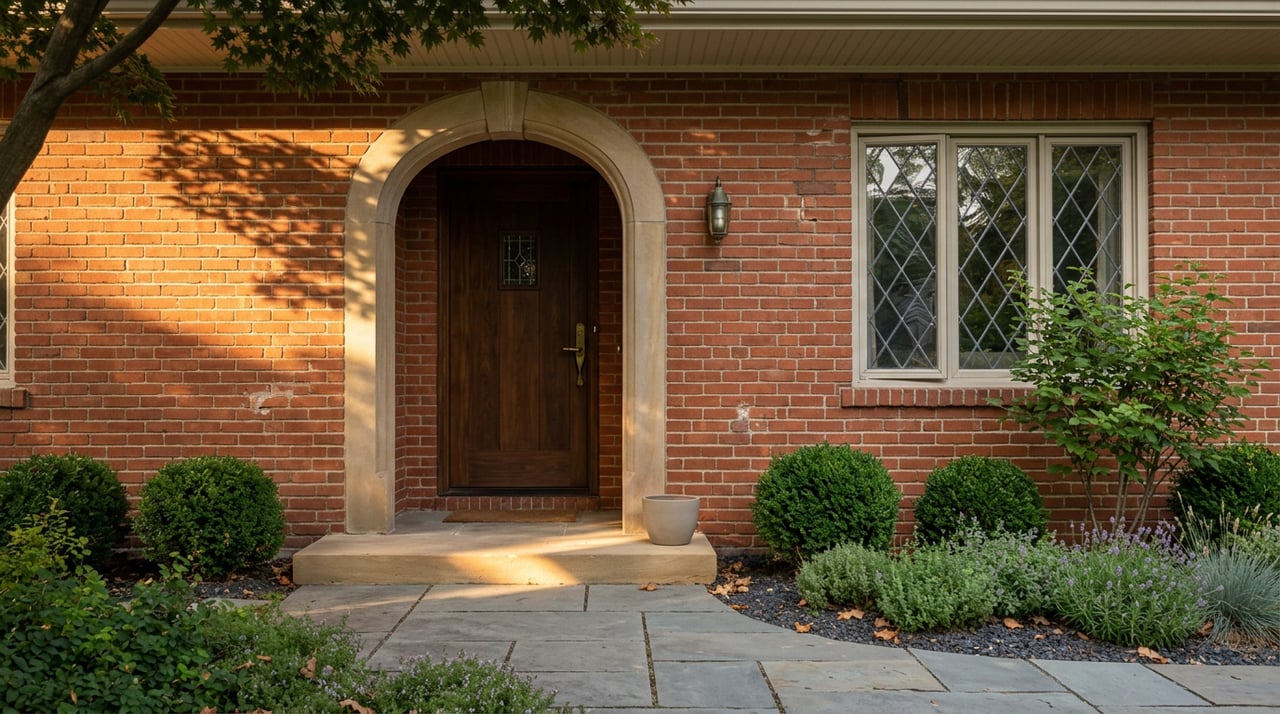
Olympus Cove is not a neighborhood where every home has stayed the same. Many homes have been remodeled, and some original houses have been replaced with larger newer dwellings.
That means your options may include:
For a relocation buyer, this is where details matter. Two homes with similar square footage can live very differently depending on lot slope, garage placement, remodeling quality, and how the home is oriented to the view.
People are often drawn to Olympus Cove because of the idea of foothill and valley views. That appeal is real, but view quality can vary from lot to lot.
Historic survey work notes that mature vegetation and freeway sound walls have obscured some original view corridors over time. In other words, not every home will deliver the same visual experience, even within the same general area.
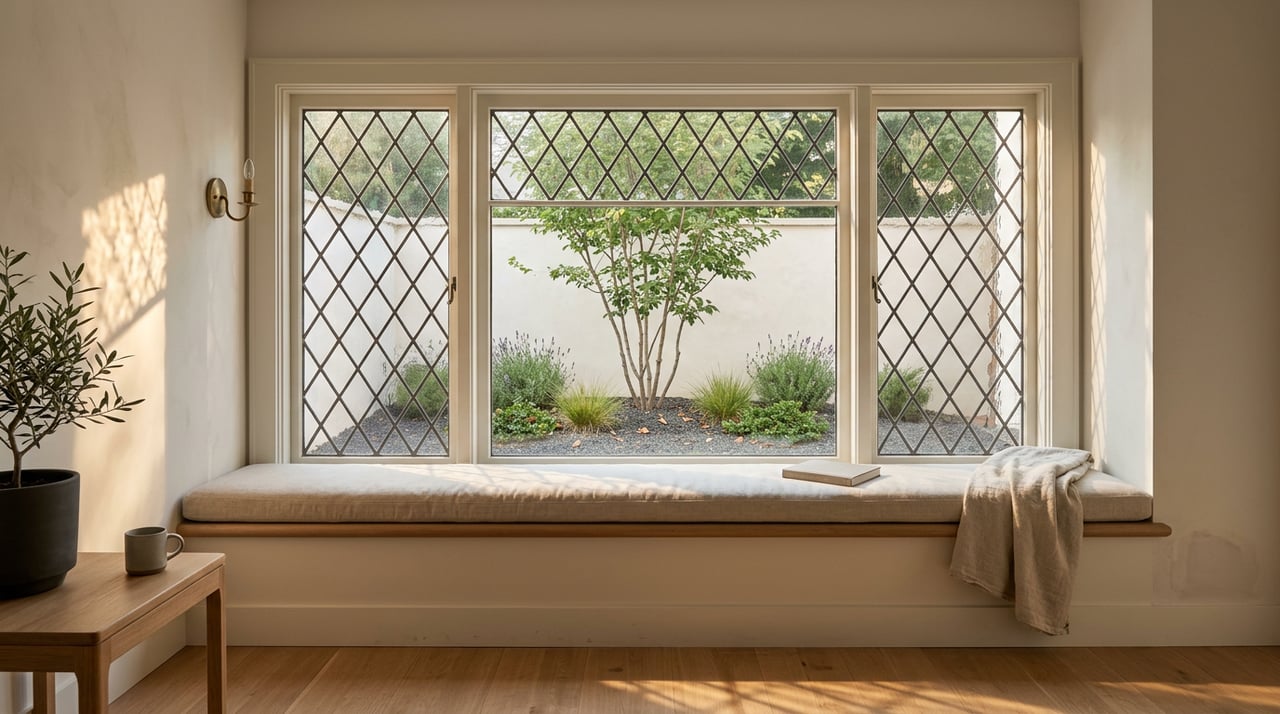
If views are high on your priority list, it helps to look closely at the lot itself. Window placement, outdoor living orientation, neighboring structures, and vegetation can all affect what you actually see and enjoy day to day.
One of Olympus Cove’s strongest lifestyle benefits is how closely it connects to trails and open space. This is not just a neighborhood near the mountains. It is a neighborhood that ties directly into a broader foothills recreation system.
Salt Lake City’s East Bench and H-Rock Preserve covers 42 acres and includes a half-mile section of the Bonneville Shoreline Trail. The city identifies that section as the only natural-surface residential segment of the Bonneville Shoreline Trail in Salt Lake City.
The preserve is also described by the city as the largest conserved open space below the Bonneville Shoreline Trail in Salt Lake County. At the time of research, access to H-Rock was restricted during restoration, which is worth checking if trail access is part of your move decision.
Olympus Cove benefits from more than one nearby trailhead. Salt Lake City describes about 6,000 acres of foothills open space across the city’s north and east edges, and the Salt Lake City section of the Bonneville Shoreline Trail runs 13.5 miles from North Salt Lake to Parley’s Canyon.
That broader system matters because it gives the neighborhood a connected outdoor identity. You’re not limited to a single isolated access point. Instead, you’re living near a regional trail network that supports hiking and other outdoor routines across the east side.
Mount Olympus Trail #455 is the signature hike associated with the area. The Forest Service lists it at 3.32 miles with 4,158 feet of elevation gain, with the trailhead at 5800 South and Wasatch Boulevard.
It also notes panoramic views of the valley and the Wasatch Range. But this is important for relocation buyers to understand: because the trail enters designated wilderness and involves major elevation gain, it should be seen as a serious hike, not a casual neighborhood stroll.
That proximity can still be a huge advantage if outdoor access is a priority. It simply helps to match your expectations to the actual terrain and use.
Millcreek Canyon is another major part of life near Olympus Cove. For many residents, it becomes part of the weekly rhythm for trail use, scenic drives, and getting into the mountains quickly.
It also comes with seasonal rules and access limits. Salt Lake County says the winter gate closes on November 1 and reopens in late spring, with even and odd day rules for dogs and bikes. At the time of research, the county’s March 2026 update reported that the upper roadway was closed to public access for the construction season, while trail access continued through lower-canyon connections.
If you’re relocating from out of state, this is a good example of how foothill living comes with local patterns that can affect your routine. Access is still a major benefit, but it is not always the same year-round.
Olympus Cove offers strong east-side access, but commuting is shaped by topography. The neighborhood is bounded by mountains on three sides and separated from west-side neighborhoods by Wasatch Boulevard and the later I-215 belt route.
That geography is part of what makes the area feel distinct, but it can also make the neighborhood feel more car-oriented than flatter east-bench locations. If you are used to a more walkable urban grid, Olympus Cove may feel quieter and more residential, but less convenient for errands on foot.
For many buyers, the balance works well. You get a foothill setting without giving up access to major east-side destinations.
The broader East Bench places several major Salt Lake destinations within reach. Salt Lake City identifies the University of Utah, Research Park, and the VA Hospital as key employment centers in the area.
The city also points to destinations like Hogle Zoo, This Is the Place Heritage Park, the Natural History Museum, and Red Butte Gardens. For relocation buyers, that means Olympus Cove can support both outdoor access and practical connection to work, culture, and recreation on the east side.
Olympus Cove tends to be a strong match for buyers who want a residential setting with views, trail access, and a more distinctive foothill identity. It can be especially appealing if you value architecture with character, larger lots, or homes with renovation potential.
It may also work well if you want mountain access while staying connected to Salt Lake City. Buyers who prioritize a flatter layout, simpler winter driving, or a denser walkable pattern may want to compare Olympus Cove with other east-bench or inner-city neighborhoods before deciding.
If you’re relocating to Olympus Cove, it helps to look past square footage and finishes. In this neighborhood, the lot and location details can matter just as much as the house itself.
Here are a few smart things to evaluate as you compare homes:
For relocation buyers, having local guidance matters here. The right home in Olympus Cove is often about fit, not just features on paper.
If you’re planning a move to the Salt Lake east side and want help comparing Olympus Cove to nearby options, Jazmin Adamson offers warm, strategic guidance for relocation buyers who want a clear process and a confident decision.
Stay up to date on the latest real estate trends.


Whether buying or selling in Salt Lake City, Jazmin provides expert guidance, tailored strategies, and hands-on support to help you achieve your goals.