Listing A Home In Yalecrest: Preparation Checklist For Sellers
June 4, 2026
June 4, 2026
If you’re getting ready to sell in Yalecrest, your first instinct might be to repaint, replace old windows, or start a curb appeal makeover. In this neighborhood, that can be the wrong first move. Because Yalecrest includes local historic districts and highly character-driven homes, the smartest prep starts with confirming what your property is allowed to change, then focusing on repairs and presentation that protect the home’s original appeal. Let’s dive in.
In Yalecrest, your address matters more than the neighborhood name alone. Salt Lake City notes that Yalecrest includes multiple smaller local historic districts, and district status is parcel-specific. That means two homes on nearby streets may not follow the same review process for exterior work.
If your home is in a local historic district, Salt Lake City requires planning approval before exterior changes begin, with limited exceptions such as paint color and minor maintenance. The city also recommends contacting planning staff early, before designs are finalized, which is especially important if you are trying to stay on schedule before listing.
It is easy to waste time and money on updates that later need revision. In Yalecrest, exterior work can involve review before work begins and before a building permit is issued. Some approvals also expire after one year unless a permit or complete plans are submitted.
That is why a Yalecrest seller checklist should begin with an address-level status check, not a contractor bid or a design board. Once you know whether the property is locally designated, you can make better decisions about repairs, timing, and listing prep.
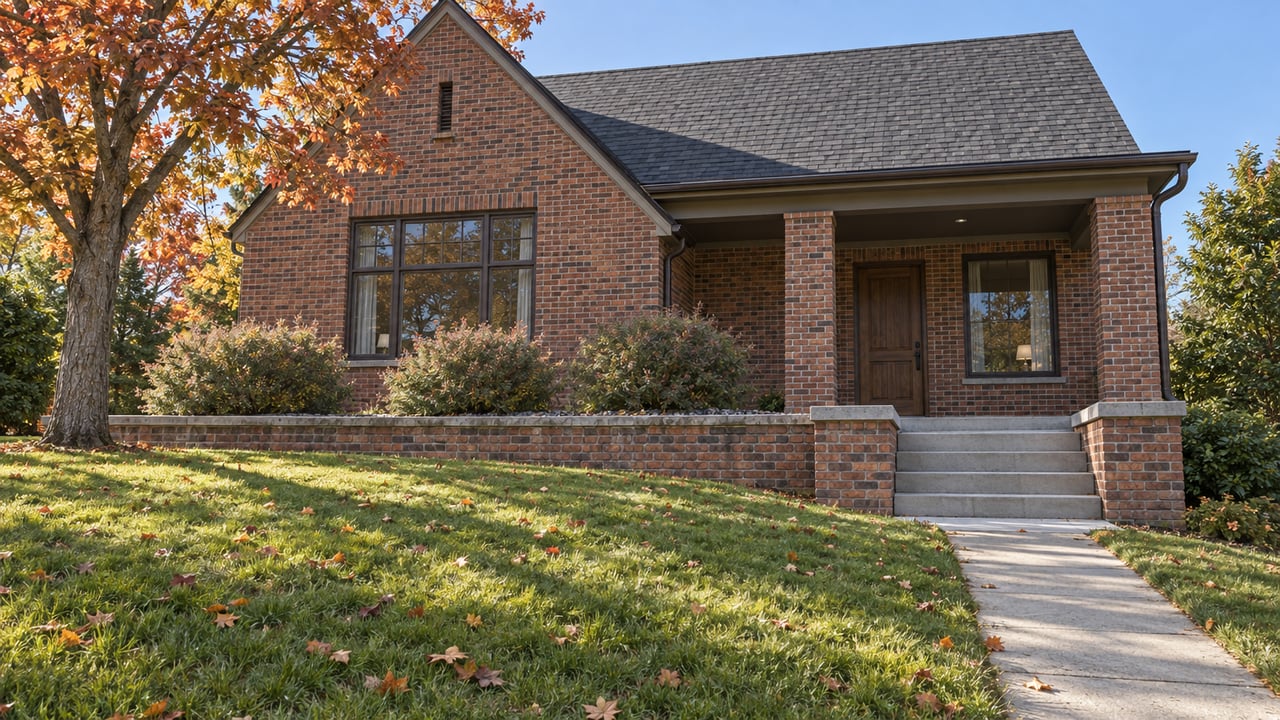
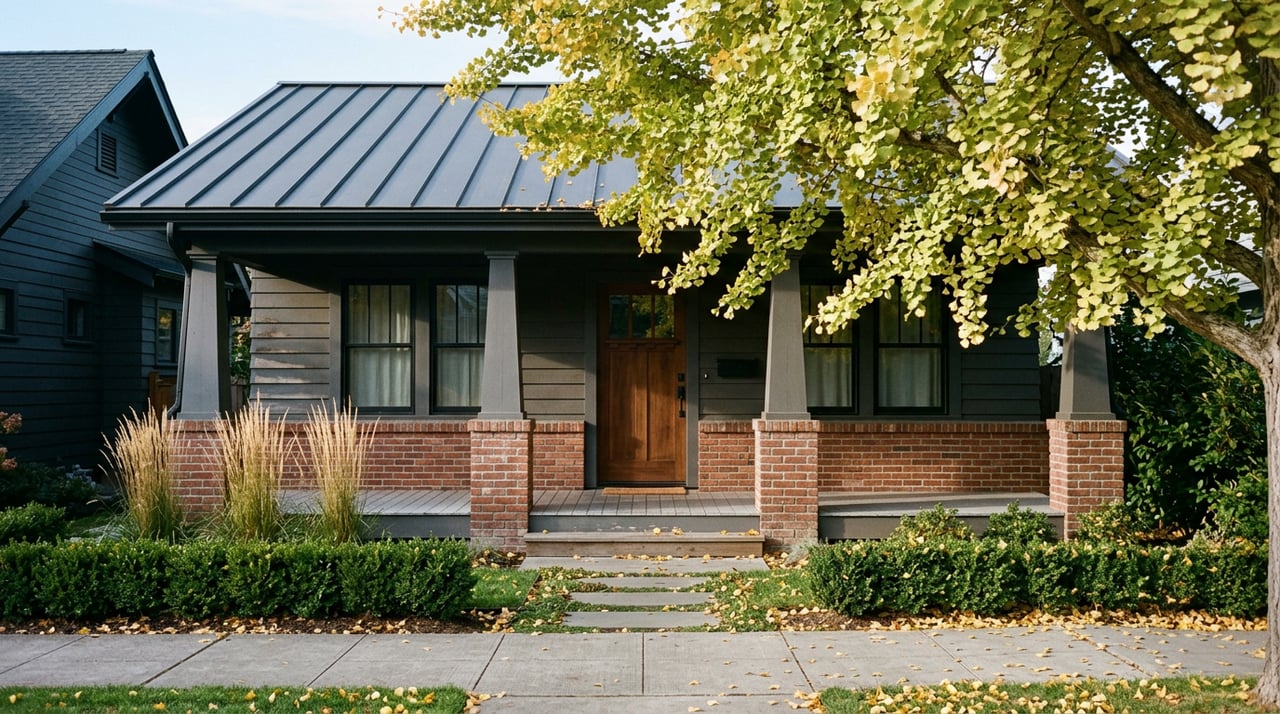
Yalecrest is described by Salt Lake City as architecturally and historically significant, with period-revival styles, architect-designed homes, and manicured landscaping. Buyers are often responding to the home’s visible character long before they step inside. Your exterior prep should support that character, not compete with it.
In practical terms, that usually means cleaning, repairing, and maintaining what is already there. Broad façade redesigns or low-cost cosmetic shortcuts are generally a poor fit for this neighborhood’s housing stock.
Simple landscape cleanup is often one of the safest pre-listing improvements. Trimming, pruning, refreshing planting beds, and improving overall maintenance can help the home show better without changing the streetscape.
Salt Lake City does allow some landscaping work without review, but only when it complies with city standards and does not include a wall, fence, grade changes, or work involving a character-defining feature. In Yalecrest, where landscaping contributes to the historic setting, it is wise to treat front yard changes carefully.
Fresh paint can absolutely help a home feel cared for, but in Yalecrest, details matter. Salt Lake City’s preservation guidance says maintaining or re-establishing a historic color scheme is appropriate, and the city code exempts painting in many cases except where unpainted stone, brick, or cement are involved.
That means repainting trim or previously painted surfaces may be straightforward, while painting original masonry deserves extra caution. If your exterior refresh includes masonry, it is worth verifying the property status and scope before moving ahead.
Some of the most valuable prep work in Yalecrest is also the least flashy. Historic windows, doors, porches, and trim are character-defining features, and they strongly affect how buyers experience the façade in person and in photos.
Salt Lake City’s preservation handbook notes that many old window issues are maintenance-related rather than replacement-related. Properly maintained original wood windows can continue to perform well, which is why repair often makes more sense than replacement before listing.
Buyers tend to notice whether original details feel intact and well cared for. A freshly cleaned porch, functioning hardware, repaired wood trim, and properly maintained windows often create a stronger impression than a rushed modernization.
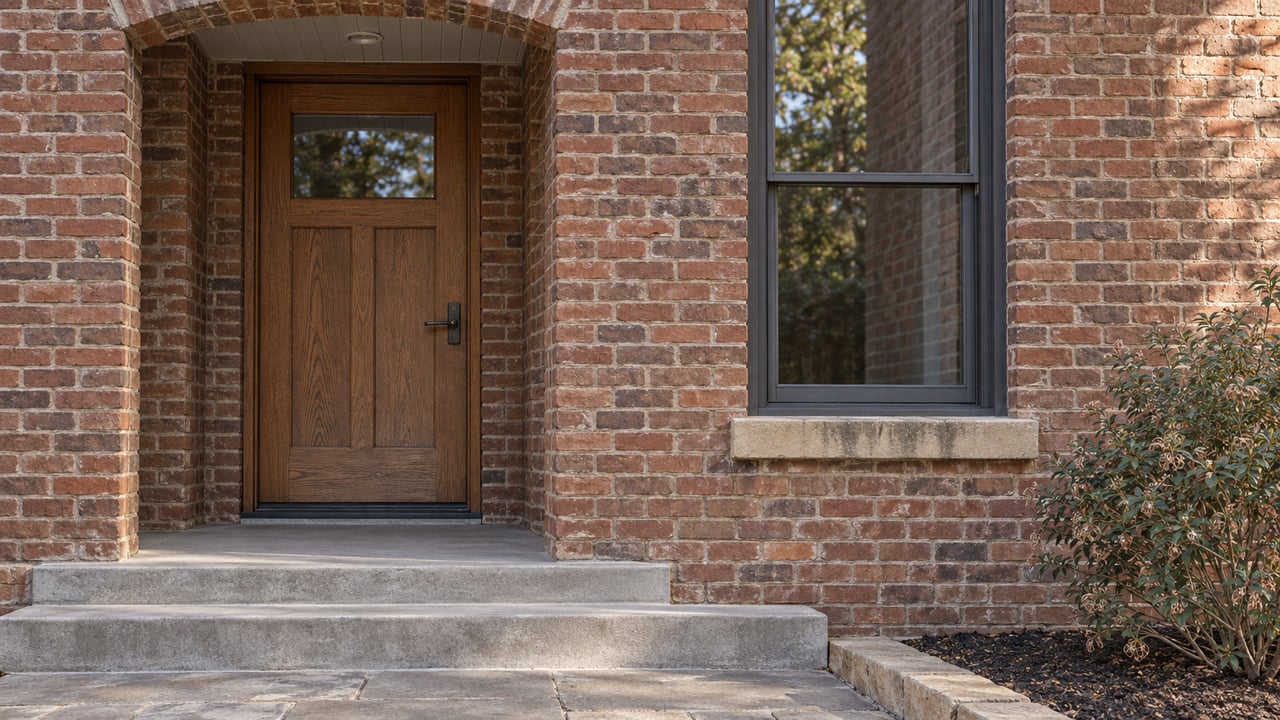
For doors, the city’s guidance supports tightening or refitting hinges and thresholds, patching decayed sections, and keeping original jambs, transoms, panes, and hardware where feasible. These are the kinds of details that help a Yalecrest home feel authentic and polished.
Salt Lake City’s code prohibits aluminum, asbestos, or vinyl cladding when applied directly to original or historic material. It also prohibits vinyl fencing. If you are tempted by quick cover-ups before listing, this is a strong reminder that cheaper substitutions can work against both compliance and presentation.
Before photos or showings, many sellers want everything to look as fresh as possible. That is smart, but in a historic neighborhood, aggressive cleaning methods can do more harm than good.
Salt Lake City’s standards say surface cleaning should use the gentlest means possible, and damaging treatments such as sandblasting should not be used on historic materials. If you are cleaning brick, stone, or original wood, the goal is to improve appearance without changing the texture or damaging the material.
These modest maintenance items can improve first impressions:
These are not glamorous projects, but they often read very well in listing photos and help buyers feel the home has been cared for.
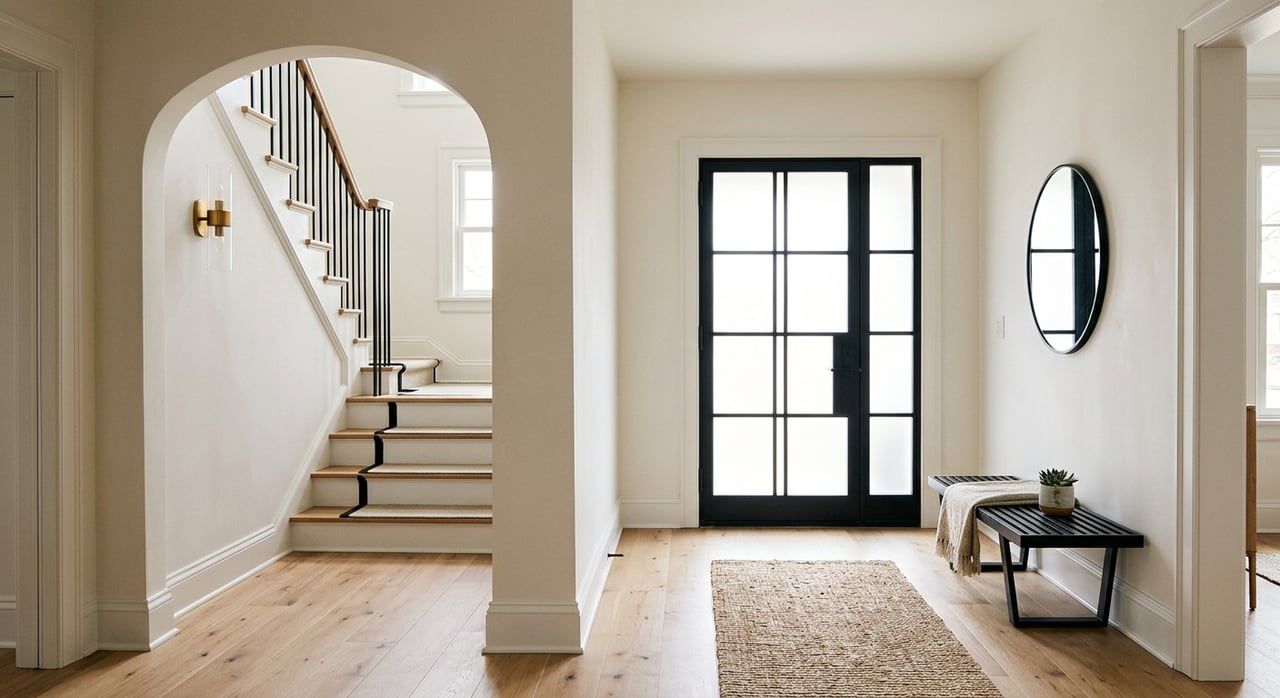
Inside a Yalecrest home, architecture should lead and furnishings should support. These homes are often defined by proportion, natural light, windows, trim, and thoughtful room-to-room flow. Your staging should make those features easier to see.
That usually means less furniture, cleaner sightlines, and lighter window coverings. Oversized pieces that block openings or make rooms feel visually heavy can distract from the very qualities that make Yalecrest homes appealing.
Salt Lake City’s standards emphasize compatibility with the size, scale, material, and character of the property and neighborhood. While those rules are most directly tied to alterations, they also offer a helpful staging lens: let the house feel like itself.
For sellers, that often means clean walls, repaired trim, functional lighting, and a neutral presentation that does not feel sterile. In Yalecrest, a well-edited interior often works better than an overdesigned one.
The city’s preservation rules discourage changes that create a false sense of history or architecture. That is a useful reminder for pre-listing interiors too. If you are making minor updates before sale, restrained choices that complement the home’s era will usually feel more natural than trend-heavy finishes that clash with original details.
When sellers feel rushed, they often tackle tasks out of order. In Yalecrest, the right order can save time, reduce stress, and keep the home aligned with local standards.
Here is a practical sequence to follow.
Yalecrest is not a generic remodel market. It is a neighborhood where historic character, exterior coherence, and visible original detail matter. Sellers usually get the best results when they preserve what makes the house distinctive and present it with care.
That does not mean doing nothing. It means making strategic, value-minded decisions instead of defaulting to replacement or over-updating. In a design-sensitive neighborhood, thoughtful prep can make the home feel more credible, more polished, and more compelling from the first photo onward.
If you are preparing to list in Yalecrest, a clear plan matters. The right guidance can help you avoid unnecessary work, prioritize the fixes that count, and bring the home to market in a way that respects both its character and your timeline. When you’re ready for a strategic prep plan and high-end listing presentation, connect with Jazmin Adamson.
Stay up to date on the latest real estate trends.


Whether buying or selling in Salt Lake City, Jazmin provides expert guidance, tailored strategies, and hands-on support to help you achieve your goals.