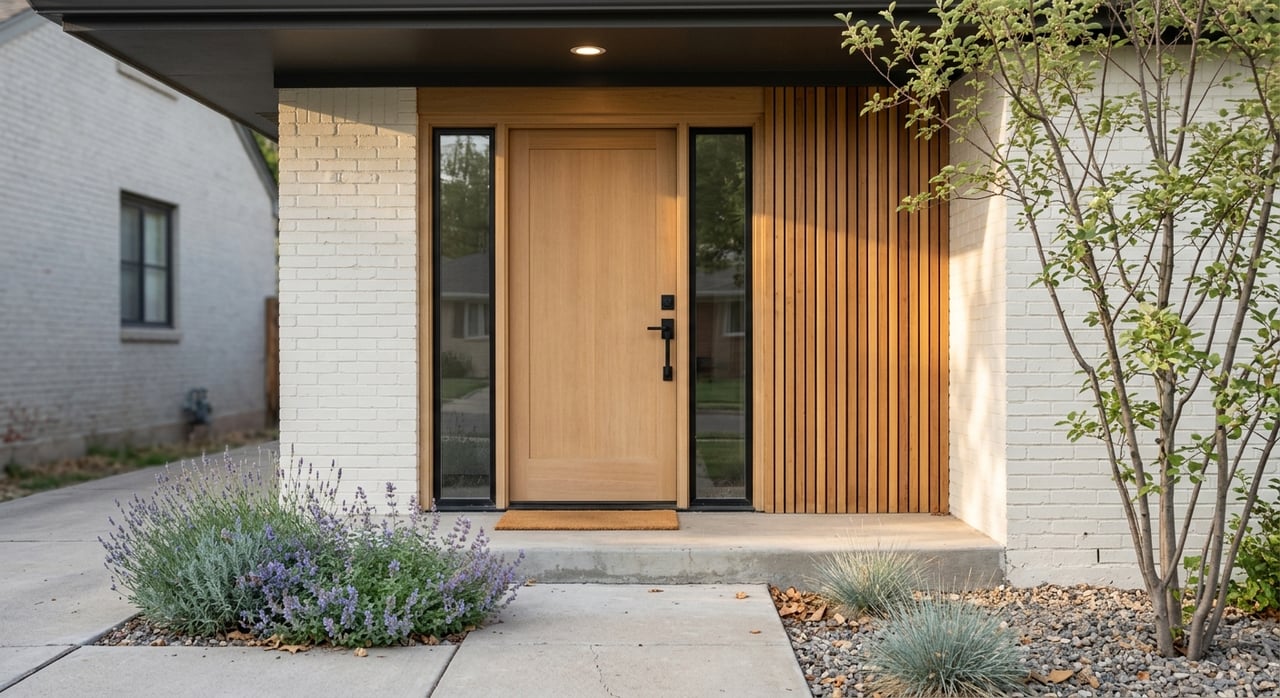
Living in Sugar House Utah: Trails, Cafés, and Homes
July 2, 2026
July 2, 2026
Are you looking for a Salt Lake neighborhood where you can grab coffee, walk a trail, spend time in the park, and still feel connected to the city’s everyday energy? Sugar House stands out for exactly that balance. If you are considering a move here, this guide will help you understand how the neighborhood feels day to day, what makes it so livable, and what its housing character may mean for your search. Let’s dive in.
Sugar House is one of Salt Lake City’s most established east-side neighborhoods, centered around the 2100 South and 1100 East-Highland Drive business district. City sources describe it as a village-style part of the city with local shops, dining, Westminster College, and a long-standing neighborhood identity. That mix gives the area a sense of daily rhythm that feels active without feeling disconnected from its roots.
Part of that identity comes from the way Sugar House has grown over time. Planning documents tie the neighborhood to an older residential fabric and to its early sugar beet history. Today, you still see that established character in the built environment, especially in the neighborhood’s homes and street pattern.
One of the biggest draws of Sugar House is how easily daily life can flow. The neighborhood master plan emphasizes pedestrian-scale activity, mixed land use, and close access to parks and transit. In practical terms, that means many of the places you may want to visit, from shops to green space, are woven into the neighborhood rather than pushed to the edges.
That design focus helps create a steady neighborhood rhythm. You can picture a morning coffee run, a walk through the business district, an afternoon in the park, and dinner nearby without needing to structure your whole day around driving. For buyers who care about convenience and lifestyle, that matters.
Recent infrastructure work has also added to that experience. Improvements along 2100 South include safer crossings, benches, bike racks, trees, and a multi-use path. Those updates support the walkable, connected feel that many people already associate with Sugar House.
Sugar House offers a strong mix of urban convenience and outdoor access. At the center of that experience is Sugar House Park, a 110.5-acre park that is open year-round and managed through a city-county partnership. It functions as both a daily recreation space and a gathering place for larger events.
The park includes a 1.4-mile walking and biking path, playgrounds, restrooms, pavilions, athletic fields, a community garden, and access to Parley’s Trail along its edges. For many residents, that means you do not have to choose between city living and room to get outside. The park becomes part of the weekly routine.
Beyond the park itself, Parley’s Trail adds even more connectivity. This 8-mile paved bike and pedestrian route links Parley’s Canyon to the Jordan River and runs through Sugar House. While the city notes that a gap remains through the heart of the business district, most of the trail is complete and adds meaningful access for walking, biking, and exploring beyond the neighborhood.
The McClelland Trail also helps connect the area using quiet neighborhood streets and off-street paths. Smaller green spaces round out the outdoor experience. Hidden Hollow offers a compact natural area tucked into the bustle of the neighborhood, while Parley’s Historic Nature Park adds hiking trails, historic sites, off-leash dog areas, and broader canyon access near the mouth of Parley’s Canyon.
If you are drawn to neighborhoods where daily errands and small rituals feel enjoyable, Sugar House has a lot to offer. The Sugar House Business District is known for shopping, dining, services, entertainment, and recreation. Options include coffee, restaurants, second-hand goods, yoga, movies, and a mix of local businesses and larger national stores.
That range is part of what makes the neighborhood feel practical as well as appealing. You are not looking at a district that only works for a special night out. Instead, Sugar House supports the kind of day-to-day convenience that can shape how you feel in a neighborhood over time.
The city’s Shop Sugar House initiative also reinforces the area’s local-business identity. Combined with ongoing street improvements, it supports the walkable commercial environment that many buyers are searching for in Salt Lake City’s established neighborhoods.
Neighborhood rhythm is not just about buildings and sidewalks. It also comes from shared routines and recurring events. In Sugar House, that includes Fourth of July fireworks at Sugar House Park, a Wednesday evening summer farmers market, and holiday Santa Shack visits.
These events help show how public space and local business activity overlap here. In fall 2025, Sugar Fest celebrated the reopening of 2100 South with a vendor market and live music. That kind of event reflects how Sugar House often brings together shopping, gathering, and neighborhood identity in the same places.
For many buyers, connectivity is a key part of lifestyle fit. The S-Line streetcar is Utah’s first modern trolley and connects Sugar House parks, shops, restaurants, TRAX, and bus lines. That gives the neighborhood another layer of access beyond driving.
City updates also note that the S-Line is planned to extend toward the Sugar House Center shopping district, with service anticipated in late 2027. For anyone thinking long term, that planned improvement adds to the neighborhood’s already strong transportation picture.
Sugar House is not a blank slate neighborhood. The master plan makes it clear that the community is mainly developed, with most new housing expected through redevelopment in multi-family areas or in the business district rather than through large undeveloped tracts. That matters because it helps explain why the area feels established and why its character tends to be a major part of the appeal.
Most residential areas are made up of single-family dwellings on 5,000 to 8,000 square-foot lots, with some larger-lot single-family areas as well as duplexes and multi-family homes in other parts of the neighborhood. This creates a housing mix that can appeal to different types of buyers, especially those looking for either classic neighborhood streets or a more urban, amenity-close option.
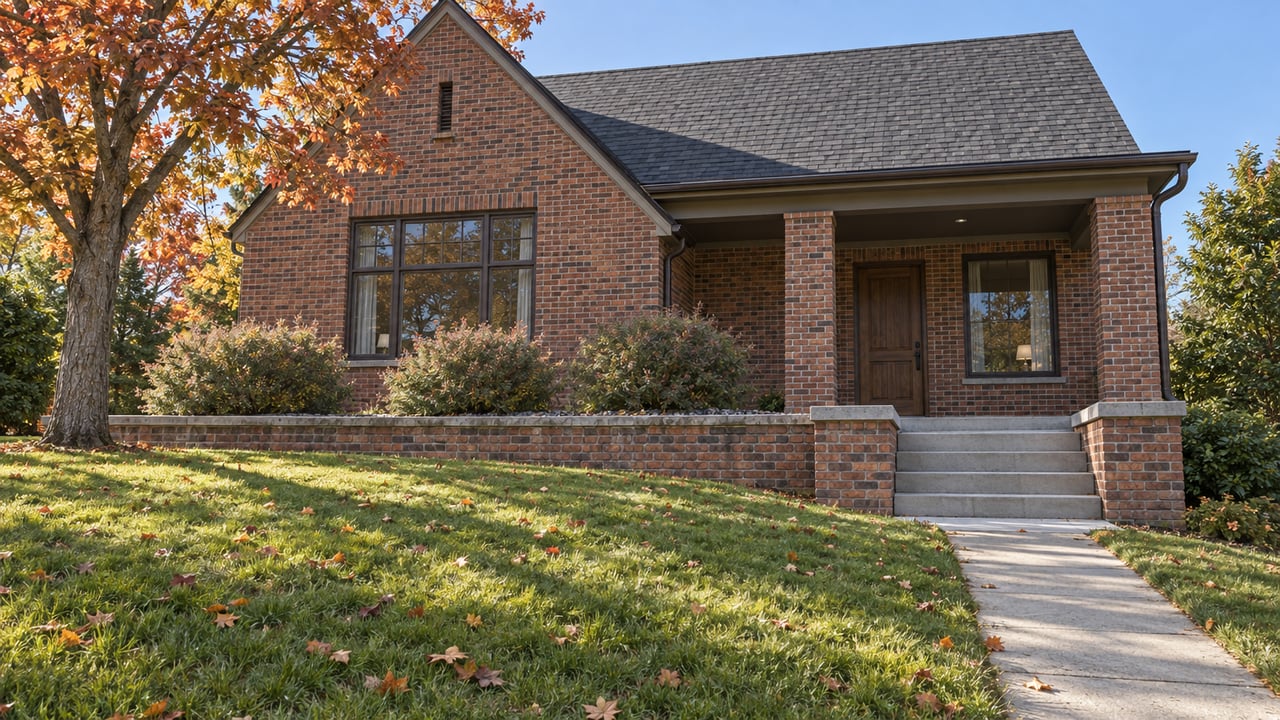
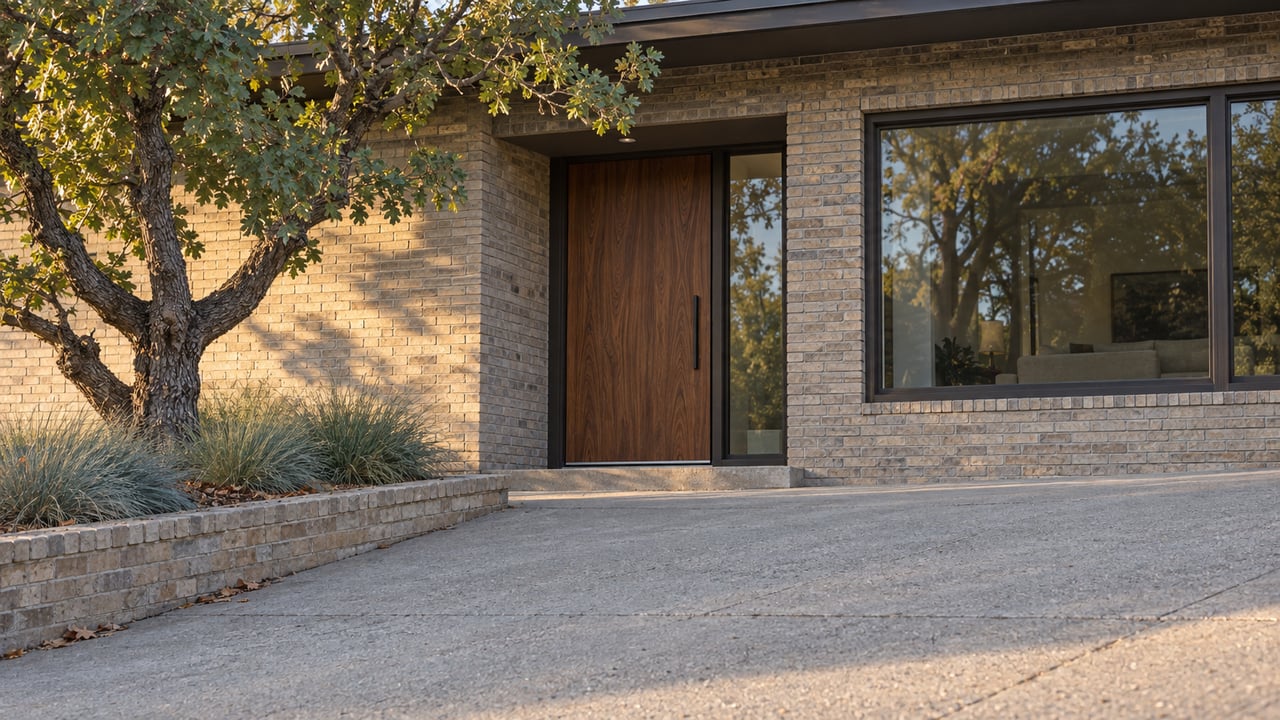
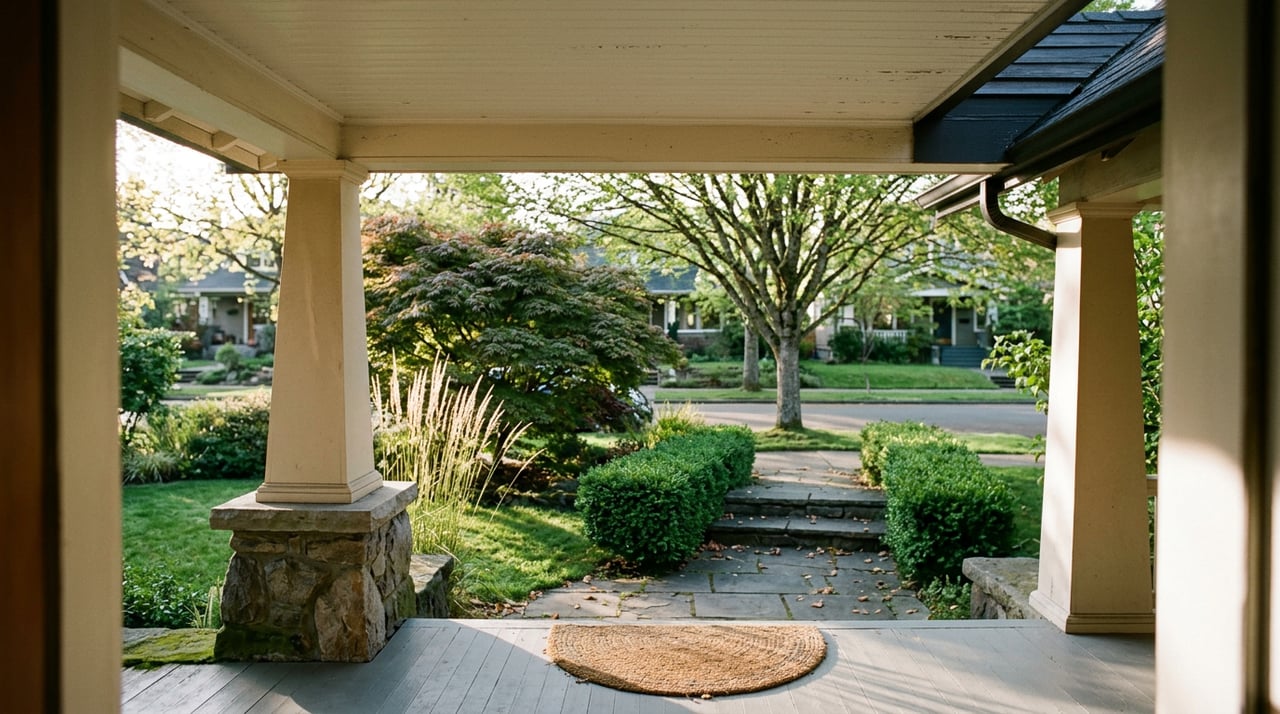
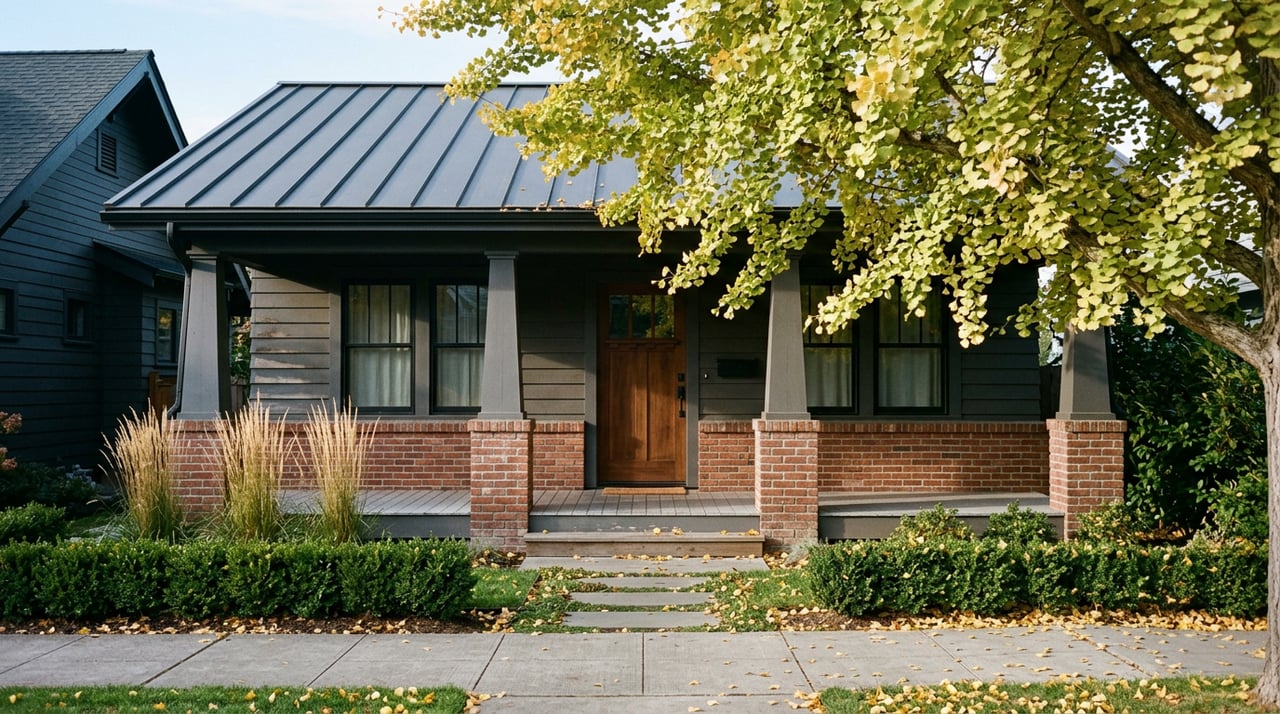
Architecturally, Sugar House is known for well-established residential streets where bungalow architecture is typical, alongside Victorian homes, Craftsman bungalows, and post-World War II cottages. Preserving the scale and architectural character of established neighborhoods is an explicit community goal. If you value older homes, distinctive design, and a sense of place, Sugar House often delivers on those fronts.
If you are considering Sugar House, the lifestyle story is fairly clear. This is an established neighborhood where parks, trails, cafés, shops, transit, and residential character all work together. It appeals to buyers who want both convenience and a neighborhood that feels rooted.
It can also be a smart area to explore if you care about design, walkability, and homes with personality. Because the neighborhood is largely built out, opportunities may come in different forms, from classic single-family homes to properties near the business district or redevelopment areas. Understanding the block, the housing type, and how you want to live day to day becomes especially important here.
That is where a local, strategy-minded approach can make a real difference. When you are weighing lifestyle fit, property condition, and long-term value in a neighborhood like Sugar House, it helps to work with someone who can connect the bigger picture to the details that matter most to you.
If you are thinking about buying, selling, or relocating within Salt Lake City, Jazmin Adamson offers warm, detail-driven guidance with a strong understanding of established east-side neighborhoods like Sugar House.
Stay up to date on the latest real estate trends.
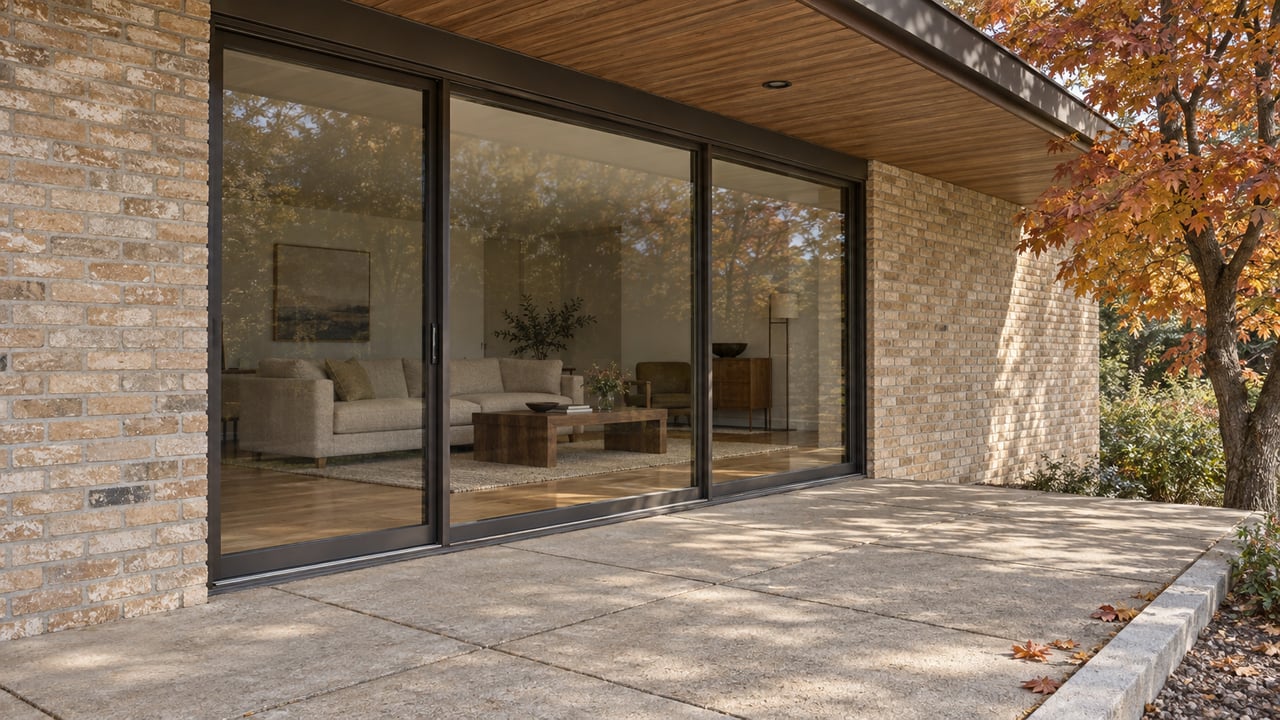
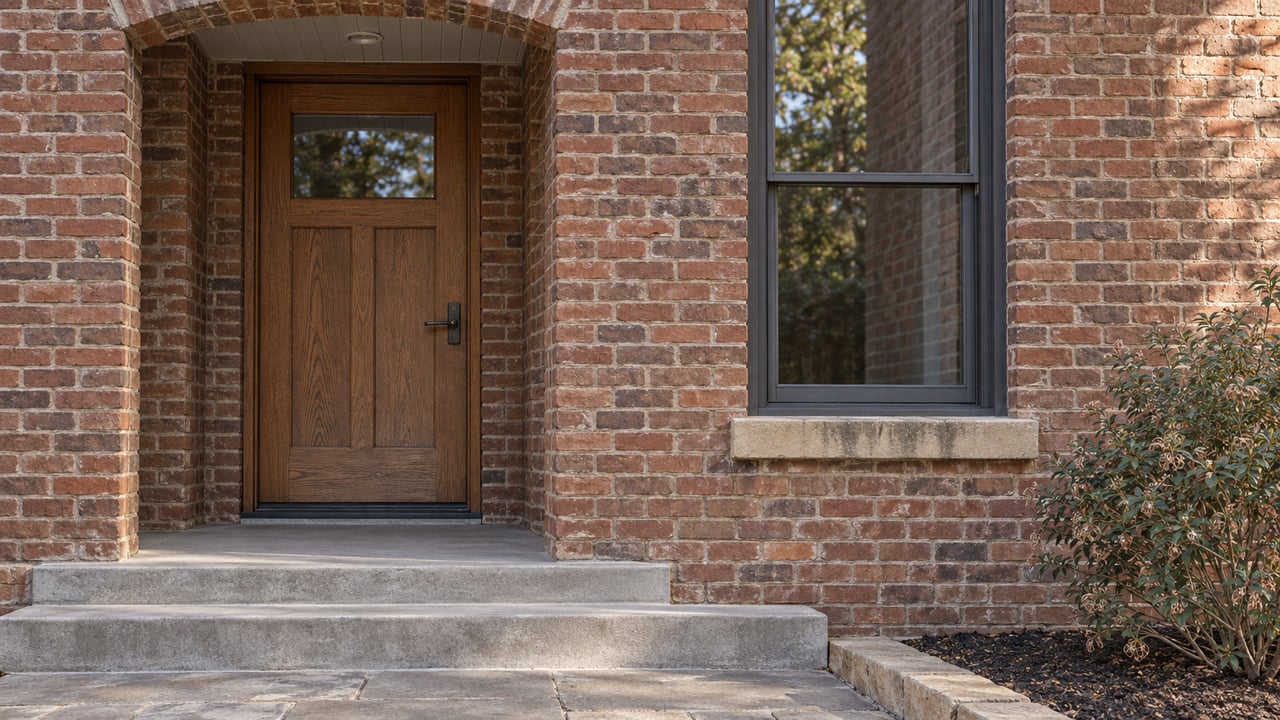


Whether buying or selling in Salt Lake City, Jazmin provides expert guidance, tailored strategies, and hands-on support to help you achieve your goals.