Buying a Home in Millcreek: What to Know First
June 25, 2026
June 25, 2026
If you are thinking about buying in Millcreek, it helps to know one thing right away: this is not a one-note suburb. One street may feel rooted in mid-century history, while the next reflects newer infill, a busier corridor, or a very different zoning pattern. When you understand those layers before you write an offer, you can make a smarter decision about lifestyle, resale, and long-term fit. Let’s dive in.
Millcreek became an incorporated city in 2016, but its built environment tells a much longer story. The city’s history includes pioneer-era farm settlement, early 20th-century development, postwar starter-home subdivisions, and later infill projects. That mix still shows up clearly today.
For you as a buyer, that means Millcreek often feels more varied than people expect. It is not defined by one housing style, one lot pattern, or one development era. Instead, it offers a patchwork of older homes, newer pockets, and streets that can change character quickly.
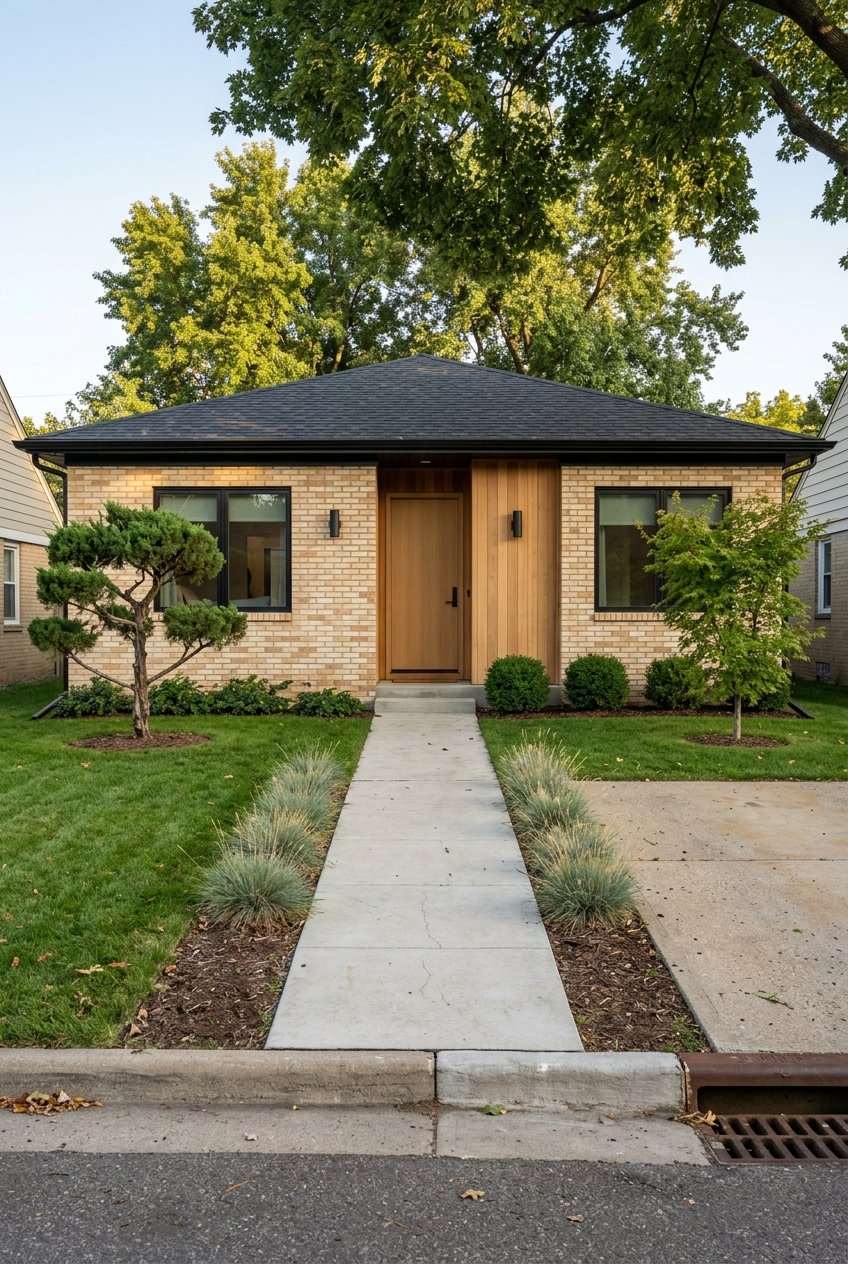
If you picture Millcreek as mostly polished new construction, you may be surprised. A 2024 survey of historic resources found that ranch-style homes made up 56% of surveyed properties, while minimal traditional homes made up 40%. Common forms included WWII cottages, ranch homes, ranch homes with garages, and early ranch designs.
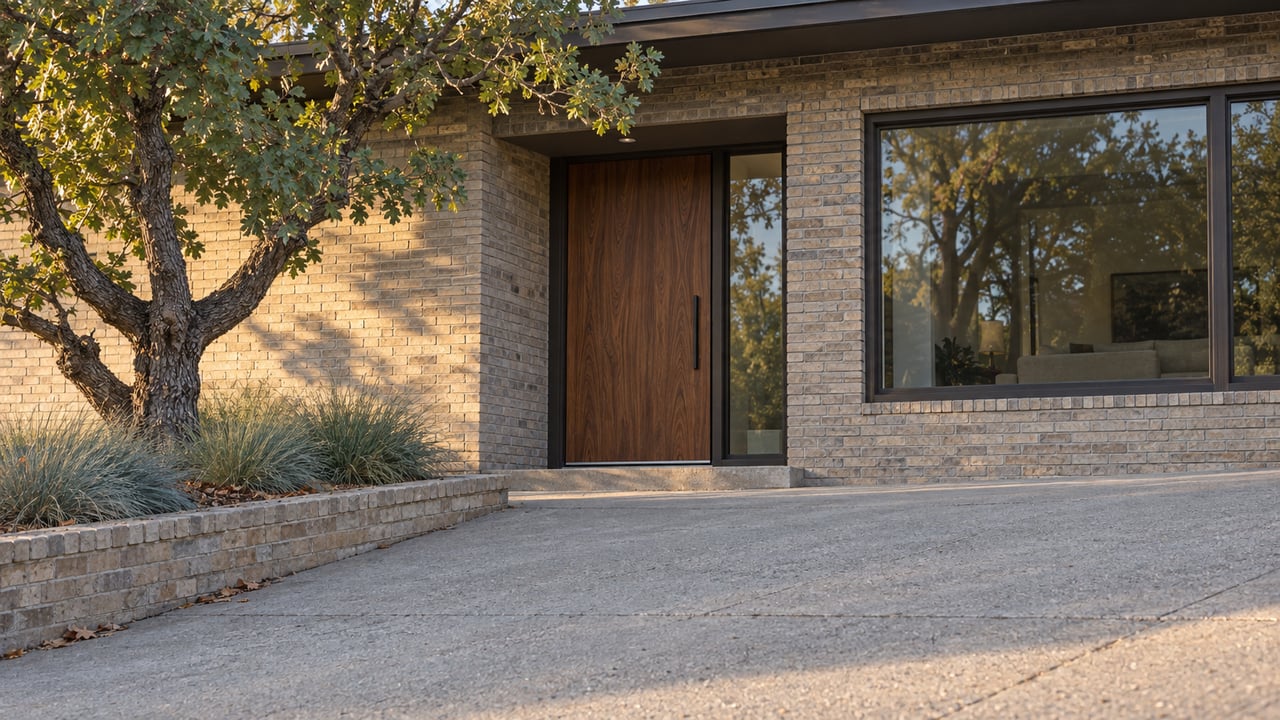
That tells you something useful about the market. Much of Millcreek is shaped by one-story, mid-century housing rather than a single luxury-home profile. If you love original character, practical floor plans, or renovation potential, that can be a real advantage.
Older east-side areas can look and feel different from newer infill sections or smaller subdivisions. You may see pioneer-era homes, postwar neighborhoods, and more recent projects all within the same broader area. That mixed-era pattern is one of Millcreek’s defining features.
This matters because value is not only about square footage. It is also about how a specific block fits your daily routine, what kind of housing surrounds you, and how much visual and architectural consistency matters to you.
One of the biggest buying mistakes in Millcreek is assuming the block you see today will stay exactly the same tomorrow. Millcreek includes a broad zoning mix, from agricultural and low-density residential areas to medium-density residential, residential-mixed, transit-oriented mixed development, commercial zones, and the city center overlay.
In plain terms, lot size, setbacks, and redevelopment potential can shift faster than you might expect. Two homes that seem similar on a search portal may sit in very different planning contexts.
Before you move forward on a home, it is worth looking beyond the house itself. A few smart questions can help you avoid surprises:
If you are buying with long-term upside in mind, this is where local guidance matters. A beautiful house can still be the wrong fit if the surrounding land-use pattern does not match your goals.
Some Millcreek single-family lots may support accessory dwelling units, which can be appealing if you want flexibility for rental use or multi-generational living. But this is not a simple add-on you should assume is allowed without review. Millcreek requires permit review for ADUs, and rental ADUs also require a business license.
There are also physical constraints to consider. Attached units must still meet side and rear yard requirements. If ADU potential is part of your buying plan, confirm the property’s specifics early instead of treating it as a future certainty.
Millcreek maintains 179 linear miles of city streets, but several major corridors are state roads maintained by UDOT, including 3300 South, 700 East, State Street, and 4500 South. That can make a real difference in how a home lives day to day.
A house on a quiet city street may offer a very different experience than a house fronting a state-maintained arterial. Noise, traffic flow, access, and the feel of the streetscape can all shift depending on that location detail.
When you tour a home, pay attention to more than finishes and layout. In Millcreek, practical site details can shape your daily experience.
Look closely at:
These details may sound small, but they often become major quality-of-life issues after closing.
In Millcreek, winter can change how a home functions. The city prioritizes snowplowing first on major arterials, then minor arterials, school routes and steep hills, and later collector and neighborhood streets. Street parking is also prohibited during snow events from November through April.
That means driveway design, hill grade, and street exposure are not minor details. If you are deciding between two similar homes, winter access may be the practical factor that breaks the tie.
Many buyers think of east-side living as mostly car-dependent, but Millcreek offers more transit access than some people realize. The Millcreek station on UTA’s TRAX Blue Line is located at 210 W. 3300 S., and TRAX runs seven days a week with 15-minute peak frequency.
Nearby Sugar House also adds connection options through the S-Line, which links residential and commercial areas and connects to TRAX, bus service, and the Parley’s Trail corridor. If commute flexibility matters to you, it is worth mapping your actual route instead of relying on assumptions.
For many buyers, Millcreek’s biggest selling point is not just the housing. It is the combination of neighborhood living and close access to recreation.
Millcreek Canyon is one of the area’s defining assets, but it comes with seasonal and day-specific rules. Salt Lake County notes that the winter gate closes to vehicles on November 1 and reopens in late spring, and trail, bike, and dog rules vary by day and season.
If canyon access is a major reason you want to buy here, build your expectations around how it actually operates. The canyon can absolutely support an active lifestyle, but the details matter.
Think about:
This is a great example of why lifestyle fit should be specific, not generic.
Millcreek is not only about canyon access. It also benefits from broader trail connectivity. Parley’s Trail is the first east-west route linking the Bonneville Shoreline Trail to the Jordan River Parkway and connecting neighborhoods across Salt Lake City, Millcreek, South Salt Lake, and West Valley.
Millcreek’s Wasatch Boulevard multi-use path is also planned to add a regional trail connection between 4500 South and 3680 South, along with bike lanes toward the Holladay boundary. If you value active transportation or regular outdoor movement close to home, those connections strengthen Millcreek’s appeal.
Another important thing to know before you buy is that Millcreek is still shaping its identity as a city center. Millcreek Common is the clearest sign of that effort.
The city’s master plan describes a phase-one plaza with an ice ribbon, splash pad, retail, and the new city hall. Future phase-two amenities include green space, trees, a play structure, splash creek, skate canyon, treehouse, and mini-golf.
This matters because some buyers want a place that already feels fully built out, while others like the energy of a city creating a more walkable civic core. Millcreek leans toward the second category.
Beyond the city center, local recreation is also growing in practical ways. Canyon Rim Park now includes ten outdoor pickleball courts, which is a meaningful amenity if you want nearby options for regular activity.
When you evaluate a location, think beyond the house and even beyond the block. The ease of reaching parks, trails, and gathering spaces often shapes how satisfied you feel with a purchase over time.
If you are deciding among east-side areas, Millcreek often makes the most sense when you want balance. It tends to sit between Holladay and Sugar House in terms of feel.
Holladay is a strong comparison if you want a setting that is more established and less change-prone. Its general plan notes that the city is primarily built out, with larger-lot neighborhoods and mature tree canopy contributing to a semi-rural feel.
Sugar House is the better comparison if you want more urban energy. Salt Lake City describes it as a village-style neighborhood with shopping, dining, and community character, and the area benefits from Sugar House Park and S-Line access.
Millcreek tends to appeal to buyers who want:
That middle-ground position is one of Millcreek’s biggest strengths. You can find calm residential pockets, practical commute options, and evolving civic amenities without committing to a single rigid neighborhood identity.
A smart Millcreek buying strategy is about matching the house to the block, the zoning, and your actual routine. Before you commit, make sure you have looked closely at the details that shape everyday use and future value.
Use this quick checklist as you narrow your decision:
In Millcreek, the right purchase is rarely about the headline features alone. It is usually about how well the full setting supports the way you want to live.
If you want a thoughtful, block-by-block perspective before you commit in Millcreek, working with a local advisor can help you weigh design, location, and long-term upside with more clarity. For personalized guidance on buying in Millcreek and nearby east-side communities, connect with Jazmin Adamson.
Stay up to date on the latest real estate trends.


Whether buying or selling in Salt Lake City, Jazmin provides expert guidance, tailored strategies, and hands-on support to help you achieve your goals.