Avenues Historic District Approval: What Buyers Should Know
August 13, 2026
August 13, 2026
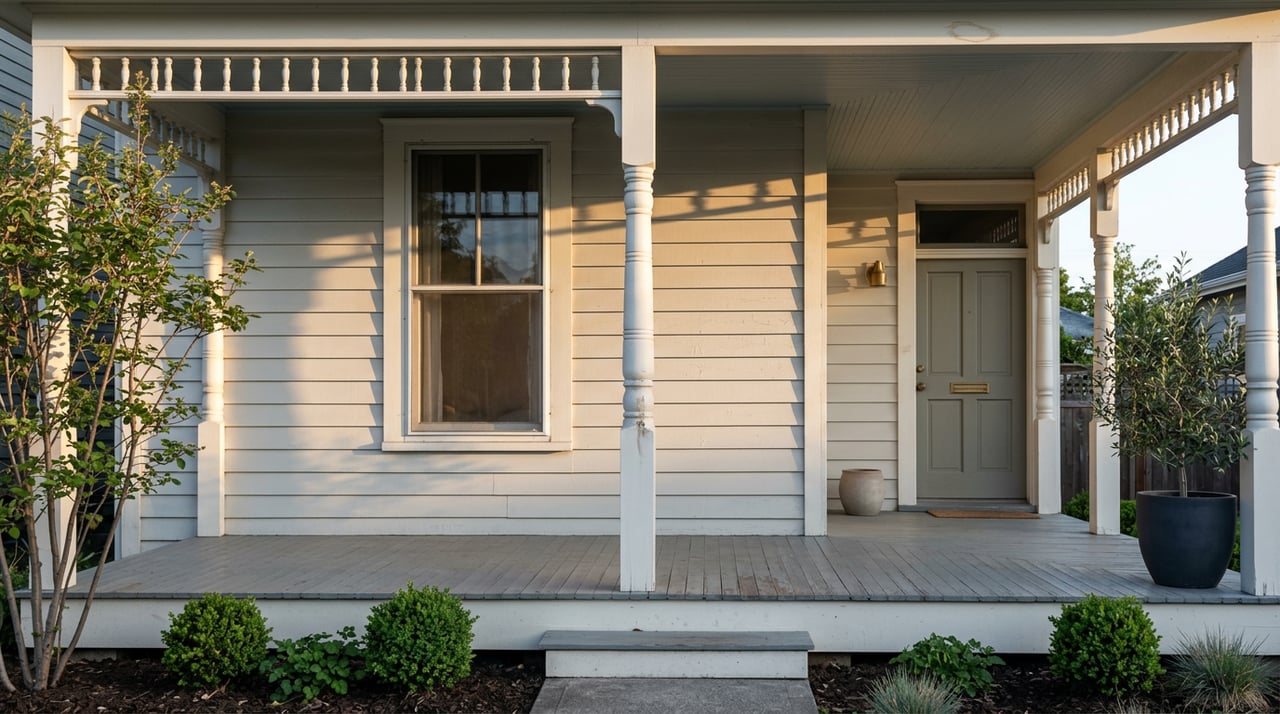
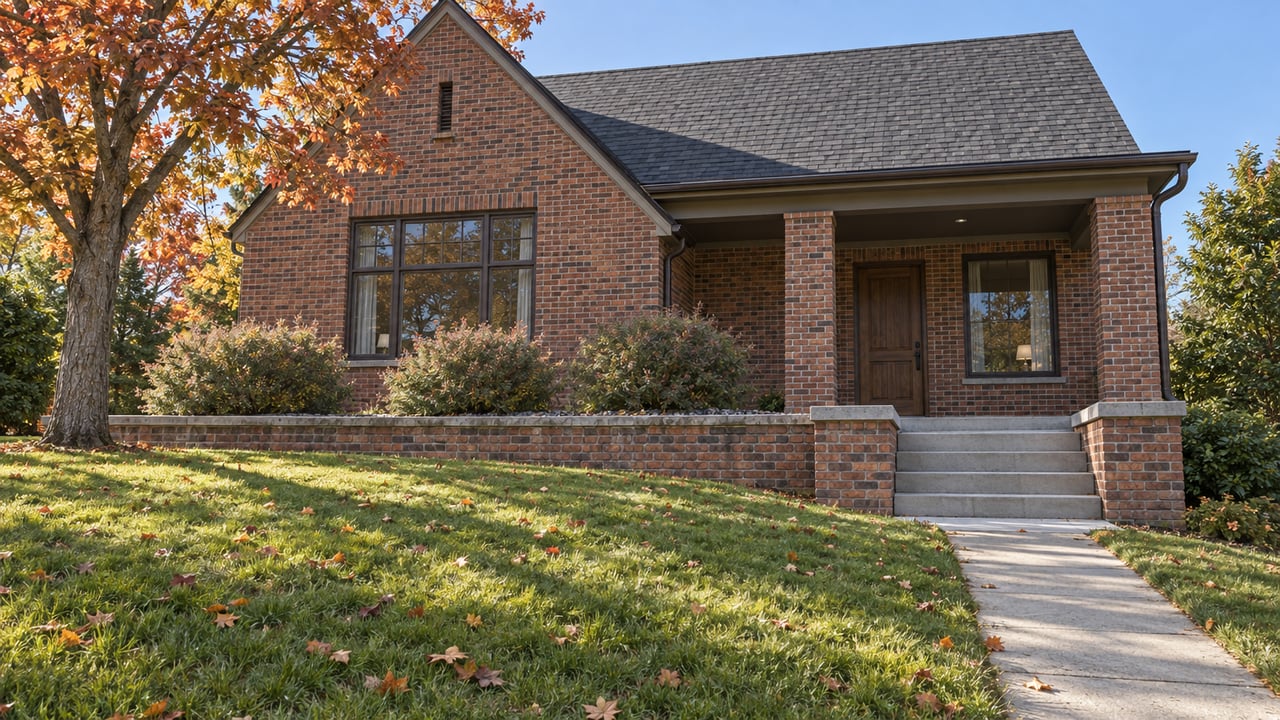
You have found the house. A century-old foursquare with an unpainted brick face and a wraparound porch on one of the neighborhood's lettered streets, the kind of detail that only exists here, since the Avenues is the one place in Utah where the streets run A through V instead of numbers. You assume the historic designation on the listing sheet means the character you fell for is locked in place, both for the house and for everything around it. It is not. The protection that comes with "historic district" status applies to designated properties, while zoning determines what may be built on neighboring lots.
Understanding the ordinance's requirements can help buyers plan renovation budgets and closing timelines.
Salt Lake City's local historic districts, the Avenues among them, operate under a Certificate of Appropriateness system. Every exterior change to a designated property needs city sign-off before a building permit gets issued, with two narrow exceptions: paint color and minor maintenance. Everything else, from window replacement to a new porch rail, goes through review first. That is the baseline, and it applies to any property carrying the designation, full stop.
What the ordinance does not do is fix that designation permanently at the moment you buy. Every property in a historic district carries a status rating of either contributing or noncontributing, based on the most recent historic resource survey on file with the Planning Division, and that rating can be revised. A 2023 staff report to the Historic Landmark Commission describes exactly this happening to an Avenues property: staff determined the building's status should shift from contributing to noncontributing because a shed roof addition, a porch addition, and gabled dormers along the front roof plane had already erased the historic integrity the original designation was based on. The standards that govern new construction and alteration change depending on which status a building holds, so the applicable requirements may change if the property's status is revised.
Not every project goes to the same desk. The city sorts applications into three tiers, and which one your project lands in determines both how long it takes and who makes the call.
| Review Type | Typical Projects | Who Decides |
|---|---|---|
| Walk-in | Re-roofing, minor alterations | Staff planner at the counter, same day |
| Administrative | Window replacement, garages, additions under 50% of existing footprint | Planning staff, no public hearing |
| Historic Landmark Commission | Demolitions of contributing structures, new primary construction, major alterations | Full commission, public hearing required |
The first two tiers move on staff time. The third does not. The Historic Landmark Commission typically meets the first Thursday of each month, and large or complex projects can be scheduled for a preliminary work session before the actual public hearing, which adds another cycle before you get a decision at all. If your renovation plan crosses from an administrative-tier project into HLC territory, the longer review can affect contractor and construction-loan planning before a decision is issued.
Once a Certificate of Appropriateness is issued, it is not permanent either. It stays valid for one year unless a building permit has been issued and the project is diligently pursued, or unless the applicant requests and receives an extension, which has to be filed at least 30 days before the year runs out. Miss that window and an approved project can lapse back into needing a fresh application.
Appeals run on their own separate clocks. An applicant who disagrees with an HLC decision has 30 days to appeal to the Mayor, who serves as the city's Historic Preservation Appeal Authority. Anyone else affected by the decision, a neighbor for instance, has only 10 days to file. If you are buying a property where a prior owner's renovation is mid-approval or recently appealed, those two different windows determine whether the project you are inheriting is actually settled or still contestable.
The Greater Avenues Community Council's land use committee has been tracking a case that shows how these layers interact in practice. The Ellerbeck Mansion property, which includes the mansion itself, an outbuilding functioning as a cafe, and an adjacent house, sits within the Avenues Historic District. The owners of the adjacent house wanted to open a coffee, pastry, and book shop there, which required a rezone to MU-2. Their proposal included what the committee describes as a Good Neighbor Agreement meant to limit the new use's effect on the block, but as the committee itself notes, that agreement would not prevent the property from being redeveloped later under the new zoning if the specific use never materializes or is later sold. The zoning underneath the historic overlay is a separate lever, and it can move independently.
Here is the part that surprises most buyers. Your house's Certificate of Appropriateness protections can stay fully intact while the block around it changes shape. On February 3, 2026, the City Council adopted an update merging the RMF-35 and RMF-45 zoning districts, which cover parts of the lower Avenues between South Temple and 3rd Avenue, along with sections of Capitol Hill and Central City. The rewrite reduces required setbacks to as little as four feet in all directions and cuts back parking mandates, in exchange for density bonuses tied to preserving what already exists. Building Salt Lake reports two bonus units for keeping a single or two-family structure, four for keeping a multifamily building.
For thirty years these zones had barely moved. City planning figures show only about 4 percent of RMF-35 and RMF-45 lots have seen any development since the districts were created in 1995, a stall planners largely attribute to the old lot-width and setback rules making most parcels impossible to build on without assembling additional land. That is no longer the constraint it was. A Building Salt Lake report quoted preservationist and former planning commissioner Cindy Cromer, reacting to an earlier draft of the same reform, as warning it would "potentially destroy the very thing that's organically developed."
None of this touches your historic home's own Certificate of Appropriateness status. It changes what can legally happen four feet from your side yard. If you are buying specifically for the tree canopy, the spacing between houses, or the sightlines down a lettered street, that context now sits on more flexible ground than it did a year ago, particularly in the lower blocks closest to South Temple.
A separate enforcement issue arose when the Fifth Ward Meetinghouse was illegally demolished in March 2024, prompting the City Council to consider new enforcement measures.
If you are buying with an eye toward rental income or a future sale rather than owner-occupancy, rehabilitation tax credits may affect the math on how much of a full historic-appropriate renovation you can offset.
As of early August 2026, average sale prices in the Greater Avenues area were running near $790,000, up roughly 26 percent from a year earlier, with homes going under contract in about 39 days, well above Salt Lake City's overall citywide median of roughly $585,000 over the three months ending in May 2026. Some of that premium is architecture and elevation. Some of it is buyers competing for the smaller pool of homes that already carry a clean, current Certificate of Appropriateness history, since a home with unresolved historic-status questions or a stalled prior renovation carries real timeline risk that a fully compliant one does not.
A historic designation is a real asset. It is also a process with tiers, deadlines, and a status rating that can move. Buying well in the Avenues means understanding which of those pieces protects your house and which ones govern everything happening around it.
Does a noncontributing rating mean I can skip the approval process entirely? No. Noncontributing structures still need a Certificate of Appropriateness for exterior work, the standards applied are simply different from those for a contributing structure.
Can I install solar panels without Historic Landmark Commission review? Solar panels visible from the front of a historic property have specifically required HLC review under recent ordinance updates, so this is not a project to assume falls under the walk-in tier.
Does the historic district protect me from a large building going up next door? Not directly. Historic designation governs your property's exterior changes. What a neighboring parcel can build is governed by its zoning district, and that zoning, as the 2026 RMF-35/RMF-45 update shows, can change independently of the historic overlay.
If you are weighing a lettered-street property against the paperwork it comes with, Jazmin Adamson can walk you through what a specific address's contributing status, permit history, and surrounding zoning actually mean before you write an offer. Let's Connect.
This article is general information, not legal, tax or financial advice. Consult a qualified professional about your situation.
Stay up to date on the latest real estate trends.


Whether buying or selling in Salt Lake City, Jazmin provides expert guidance, tailored strategies, and hands-on support to help you achieve your goals.